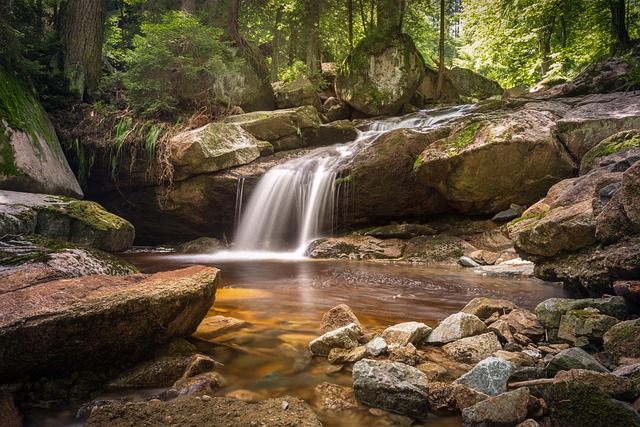
Whether it’s a walk through a local park, a weekend hike in the hills, or simply sitting under a tree, spending time in nature has a profound impact on our mental well-being.
Science is catching up with what poets and philosophers have known for centuries: nature heals, restores, and recalibrates the human mind.
Time In Nature
When we spend time in nature, our brains shift gears. Studies using MRI scans have shown that walking in natural settings reduces activity in the brain’s subgenual prefrontal cortex — the area linked to rumination and repetitive negative thinking. In contrast, urban environments, with their noise, visual clutter, and constant stimulation, tend to keep the stress response switched on.
The “Attention Restoration Theory,” developed by environmental psychologists Stephen and Rachel Kaplan, helps explain this effect. Modern life bombards us with directed attention — the mental effort required to focus on tasks, emails, and notifications. Over time, this kind of attention becomes fatigued, leading to irritability and mental exhaustion. Natural environments, on the other hand, engage what the Kaplans call “soft fascination” — the gentle, effortless attention we give to a flowing stream or swaying trees. This kind of attention allows our overworked minds to rest and recover.
Reducing Stress and Anxiety
Perhaps the most immediate benefit of nature is its ability to lower stress. Exposure to green spaces has been shown to reduce cortisol levels, heart rate, and blood pressure — key physiological indicators of stress. In Japan, the practice of shinrin-yoku, or forest bathing, is based on this very principle. Participants walk slowly through forests, immersing their senses in the sights, sounds, and smells of the natural world. Clinical studies on shinrin-yoku show not only reduced stress hormones but also improved immune function and mood.
One theory suggests that natural environments activate our parasympathetic nervous system — the “rest and digest” response that counterbalances our fight-or-flight mode. This helps explain why even a short time in nature can make us feel calmer and more grounded.
Nature and Depression
Nature’s benefits extend beyond momentary calm. Growing evidence suggests that regular exposure to natural settings can reduce symptoms of depression. In one study from Stanford University, participants who walked in nature for just 90 minutes reported lower levels of rumination compared to those who walked in urban areas. Another study in the Journal of Affective Disorders found that people who engaged in outdoor physical activity — such as hiking or gardening — experienced a more significant reduction in depressive symptoms than those who exercised indoors.
Sunlight, of course, plays a role too. Exposure to natural light helps regulate circadian rhythms and boosts serotonin production, which can elevate mood and improve sleep quality — both crucial for mental health.
Boosting Focus and Creativity
It’s not just calmness that nature offers — it can also sharpen the mind. Researchers at the University of Michigan found that participants who walked in natural environments performed 20% better on memory and attention tests than those who walked through city streets. The reason appears to be that nature allows the brain to enter a more balanced, coherent state, improving both cognitive control and creative thinking.
This is why many writers, artists, and inventors have long credited their time outdoors as fuel for inspiration. In nature, we’re not distracted by constant input; instead, our minds wander freely, making new connections and insights.
Connection and Perspective
There’s also something deeply human about being in nature. When we stand beneath a vast sky or gaze at a mountain range, we’re reminded of our place in the larger scheme of things. Psychologists call this feeling “awe” — an emotion linked to humility, gratitude, and connectedness. Studies show that awe-inducing experiences, especially in nature, can reduce self-focus and promote a sense of belonging and purpose.
This may be why people often report feeling more spiritually or emotionally connected after time outdoors. Nature has a way of shrinking our worries to their proper scale and reminding us that we are part of something much bigger.
Bringing Nature Into Everyday Life
The good news is that you don’t need to disappear into the wilderness to reap these benefits. Even small doses of nature — sitting by a window with a view of trees, taking lunch breaks outside, tending to plants, or walking in a local park — can make a measurable difference.
Urban planners and mental health researchers increasingly advocate for “green prescriptions,” where healthcare professionals recommend time in nature as part of treatment for anxiety and depression. As simple as it sounds, this approach is proving to be remarkably effective.
Time in nature is not an indulgence; it’s a necessity for psychological balance. In reconnecting with the natural world, we reconnect with ourselves. The next time you feel the weight of stress or disconnection, consider the oldest medicine there is: step outside, breathe deeply, and let nature do what it’s always done — restore the human mind.