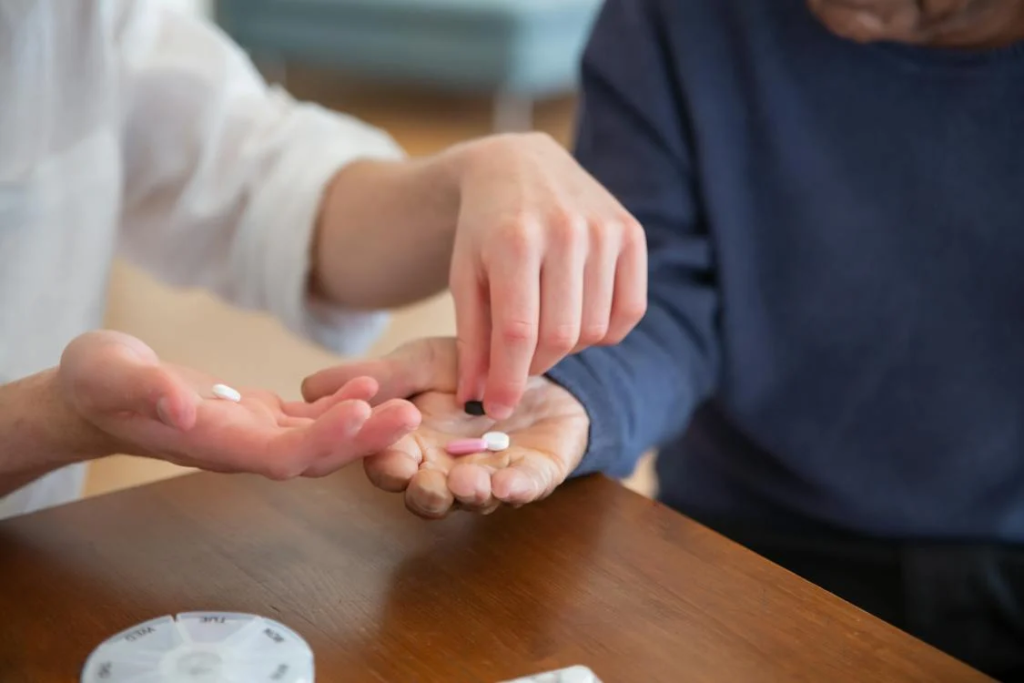
Family nurse practitioners (FNPs) stand at the forefront of promoting wellness and preventing illness among individuals and families.
Beyond diagnosing and treating ailments, FNPs play a pivotal role in advocating for and facilitating healthy lifestyle choices among their patients.
People in the US lead very unhealthy lifestyles. For instance, according to the National Poll on Healthy Aging, food addiction affects one in eight Americans over the age of 50.
However, it’s not just middle-aged or old people who lead such unhealthy lifestyles. Research published in Pediatrics suggests that more American children are becoming obese at younger ages. They are also getting sick more often. All these things are happening because of the unhealthy lifestyles Americans are used to.
Through a combination of education, encouragement, and personalized care, FNPs empower individuals to take charge of their health and embrace habits that promote well-being. Here’s how.
Education as Empowerment
A family nurse practitioner recognizes that knowledge is key to empowering patients to make informed decisions about their health. That’s why these nurse practitioners take the time to educate patients about the importance of maintaining a healthy lifestyle.
Through different nursing programs, FNPs get to learn about things like nutrition, exercise, sleep, stress management, and preventive care. The latest online family NP programs also emphasize learning such forms of care. By explaining the benefits of healthy behaviors, FNPs equip patients with the understanding they need to prioritize their well-being.
According to the University of Indianapolis, almost all healthcare facilities around the US require a bachelor’s degree in nursing. These basic nursing programs are designed to teach nursing students about the absolute basics of the field. Then, there are specialized programs like the ones FNPs enroll in. These programs help FNPs learn the importance of healthy habits.
The FNPs, in turn, teach their patients the same habits. Practitioners ensure that patients receive information in a way that is clear, accessible, and relevant to their lives.
Setting Realistic Goals
Recognizing that sustainable change takes time and effort, FNPs work collaboratively with patients to set realistic and achievable health goals. By breaking down larger objectives into smaller, manageable steps, FNPs help patients build confidence and momentum toward positive lifestyle changes.
Whether the goal is to lose weight, improve sleep quality, or manage chronic conditions, FNPs provide guidance, support, and accountability along the way. Through ongoing assessment and adjustment, family nurse practitioners help patients stay motivated and focused on their journey toward better health.
Behavioral Counseling and Motivational Interviewing
FNPs employ behavioral counseling techniques such as motivational interviewing to help patients explore their motivations, values, and goals related to health behavior change. FNPs encourage patients to reflect on their current habits. They also help patients identify barriers to change and discover their intrinsic sources of motivation.
Through active listening, empathy, and open-ended questioning, FNPs empower patients to uncover their own solutions and strategies for adopting healthier behaviors and lifestyles. By guiding rather than dictating, FNPs promote autonomy and self-efficacy, leading to more sustainable lifestyle modifications.
Promoting Healthy Habits Through Positive Reinforcement
FNPs understand the power of positive reinforcement in shaping behavior. They celebrate patients’ successes, no matter how small, and provide encouragement and praise for efforts towards adopting healthier habits. From acknowledging progress towards a fitness goal to commending efforts to reduce stress, FNPs reinforce positive behaviors to reinforce their continuation.
FNPs may also utilize tools such as goal-tracking charts to help patients visualize their progress and stay motivated on their health journey. According to Wrk, incorporating progress charts into goal-tracking processes can help you easily achieve your objectives.
Collaboration and Community Resources
FNPs recognize that promoting healthy lifestyles extends beyond the walls of the clinic. They collaborate with other healthcare providers, community organizations, and resources to provide patients with comprehensive support and access to additional services.
Whether it’s referring patients to nutritionists or support groups, FNPs leverage external resources to complement their care and address the needs of their patients. By fostering partnerships within the healthcare community, FNPs enhance the continuity and effectiveness of health promotion efforts.
In conclusion, family nurse practitioners play a vital role in promoting healthy lifestyles among their patients. They do so through education, goal setting, behavioral counseling, positive reinforcement, and collaboration.
By employing these strategies, FNPs empower individuals and families to take control of their health, cultivate resilience, and thrive in pursuit of well-being. Through their efforts, FNPs contribute not only to the health of individual patients but also to the overall vitality and resilience of communities.