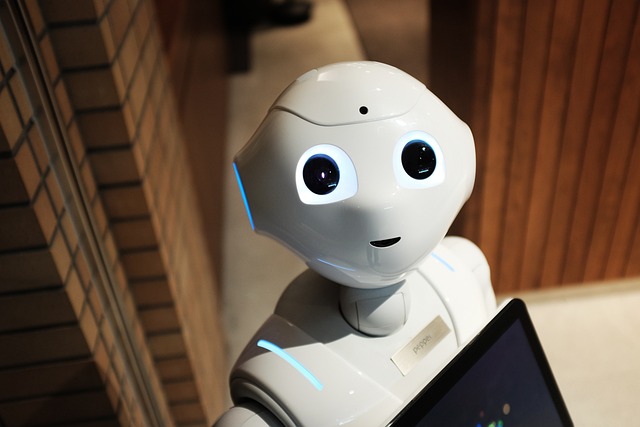
Yes, we can live positively with AI, and the following are just a few ways to do so. Artificial Intelligence (AI) is no longer a distant concept confined to science fiction. It has moved into our homes, workplaces, and even our pockets.
From recommendation algorithms on streaming platforms to medical diagnostics and creative tools, AI is shaping the world we live in. While much of the conversation revolves around risks, ethics, and fears of job losses, there’s another side worth exploring: how we can live positively with AI.
Live Positively With AI
Rather than seeing AI as a looming threat, we can reframe it as a partner. With careful intention, we can use AI not to diminish our humanity, but to enhance it.
The most constructive way to think about AI is as a tool. Just as the printing press expanded human knowledge, or electricity transformed daily life, AI is another leap in our ability to extend what’s possible. The key is remembering that AI doesn’t replace creativity, empathy, or judgment—it amplifies them.
For example, writers can use AI to overcome creative blocks, researchers can scan vast datasets in seconds, and doctors can receive AI-assisted insights to help detect diseases earlier. But in each case, the human remains at the center. The tool is only as valuable as the skill, wisdom, and intent of the person using it.
When we view AI this way, it stops being a competitor and starts being a collaborator.
Using AI to Free Up Time for What Matters
One of the great promises of AI is automation. While this understandably fuels concerns about jobs, there’s another way to look at it: AI can relieve us of repetitive, time-consuming tasks, leaving us more room for human connection and meaning.
Imagine a workplace where AI handles the most tedious paperwork, freeing employees to focus on creative problem-solving, leadership, and relationships. Or a healthcare setting where AI manages administrative burdens, allowing doctors to spend more time with patients.
Living positively with AI means embracing this potential for balance. Instead of letting AI push us toward more busyness, we can intentionally reclaim that time for learning, family, and community.
Staying Human-Centered in an AI World
If there’s a danger with AI, it’s not that it will make us less human—it’s that we’ll forget to bring our humanity into the equation. Algorithms can generate text, images, and even conversations, but they lack lived experience. They don’t feel joy, grief, or love.
This is where our responsibility comes in. Living positively with AI requires us to double down on empathy, ethics, and human values. For example, when AI is used in hiring or criminal justice, we must be vigilant about fairness and transparency. When AI is used in education, we must ensure it supports learning rather than replacing the curiosity and resilience that come from effort.
We thrive not by competing with machines, but by embracing what machines cannot replicate.
Growing with AI, Not Against It
Living positively with AI also means adopting a growth mindset. Every major technological shift in history has created both disruption and opportunity. The internet, for instance, wiped out some industries but gave rise to countless new ones. AI is no different.
This calls for adaptability. Instead of resisting change, we can learn new skills, explore new ways of thinking, and stay curious. Skills like critical thinking, creativity, and emotional intelligence will only become more valuable in an AI-driven world.
By approaching AI as an invitation to evolve, we can avoid fear and embrace possibility.
Practicing Digital Mindfulness
AI is woven into many of the platforms we use daily—recommendation engines, social media feeds, voice assistants. Left unchecked, these can shape our behaviors in ways that don’t always serve us. Living positively with AI requires awareness of this influence.
This is where digital mindfulness comes in. It means asking ourselves: Is this technology serving me, or am I serving it? Is AI helping me connect, learn, and grow, or is it trapping me in distraction?
Small, intentional habits—like turning off unnecessary notifications, setting limits on screen time, and using AI tools with purpose—help us remain in charge. AI works best when we set the boundaries.
Using AI to Enhance Creativity and Connection
One of the most exciting aspects of AI is its ability to enhance human creativity. Musicians are using AI to explore new sounds, artists to generate fresh visual ideas, and entrepreneurs to brainstorm innovative business models. Far from stifling imagination, AI can push us into creative spaces we might not have reached alone.
AI can also bring people together. For example, translation tools powered by AI are breaking down language barriers, allowing individuals from across the globe to collaborate and share ideas. Similarly, AI in healthcare can connect patients in remote areas to resources that were previously inaccessible.
When used well, AI doesn’t isolate us—it connects us.
Building Ethical Awareness
Finally, living positively with AI means cultivating ethical awareness. The technology itself is neutral; it’s the human use of it that determines outcomes. We need to ask hard questions: How are algorithms trained? Who benefits from them? Whose voices are excluded?
By staying engaged in these conversations, both as individuals and societies, we can help steer AI toward outcomes that support fairness, inclusion, and human dignity.
As A Partnership Worth Cultivating
AI isn’t a passing trend. It’s part of our present and will be even more central to our future. But we’re not powerless in the face of it. By treating AI as a collaborator, embracing growth and adaptability, practicing mindfulness, and staying rooted in human values, we can live positively with this technology.
The challenge is real—but so is the opportunity. If we engage with AI thoughtfully, it can help us not only work smarter but also live more meaningfully.
The future of AI isn’t just about what the technology can do. It’s about how we choose to live alongside it.