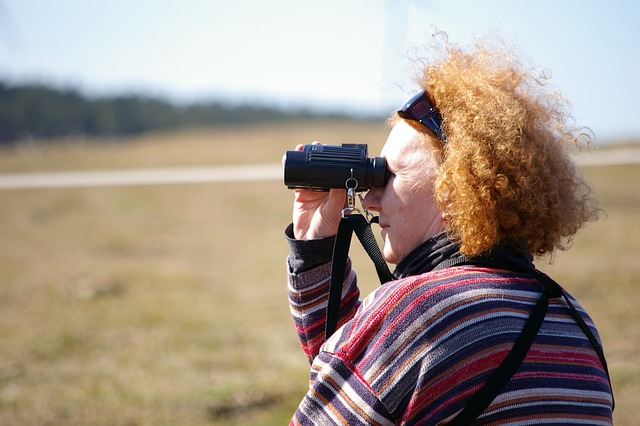
Are you looking for a new hobby that gets you outside and in touch with nature? Well, this how to start birdwatching guide might be just what you’re looking for. In this beginner’s guide, we’ll cover everything from essential gear to finding the best spots for birdwatching. So, whether you’re an avid nature lover or just starting out, let’s look into the exciting and rewarding world of birdwatching.
This post contains affiliate links, meaning I get a small commission if you decide to make a purchase via those links.
How to Start Birdwatching
If you’re interested in taking up birdwatching as a hobby, there are a few things you should know before getting started. First, it’s important to have the right equipment. You’ll need a good pair of binoculars, a field guide, and maybe a camera to help you get started.
Second, it’s helpful to find a good spot to watch birds. If you live near woods or wetlands, that’s a great place to start. You can also look for bird feeders in your neighborhood or visit a local park.
Once you’ve found a good spot, take some time to just watch and listen. See what kinds of birds are around and see if you can identify them by their appearance or their calls. When you’re ready, start keeping a birding journal to document the different species you see.
With a little practice, you’ll be surprised at how easy it is to get started with birdwatching!
Essential Equipment
If you’re new to birdwatching, you may be wondering what kind of equipment you need to get started. While there’s no shortage of birding gear on the market, but, there are a few essentials that every bird watcher should have.
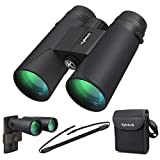 First and foremost, you’ll need a good pair of binoculars. Birding binoculars are typically compact and lightweight, making them easy to carry around with you on hikes and nature walks. They also have a wide field of view so you can scan an area for birds without having to move your head too much.
A second essential piece of equipment is a bird identification guide. This can be either a book or an app on your smartphone or tablet. A good bird ID guide will include photos and descriptions of common bird species in your area, as well as their calls and songs. This will help you quickly identify the birds you see while out birdwatching.
Consider investing in a set of waterproof hiking boots or shoes if you plan on doing any off-trail birding in wet or marshy areas. Waterproof footwear will keep your feet dry and comfortable while wading through tall grasses or trudging through mud.
How to Identify Different Species of Birds
There are over 10,000 different species of birds in the world, so it can be daunting to try and identify them all. However, there are some tips and tricks you can use to help you out. First, you’ll want to take note of the bird’s size, shape, and color. Then, you can listen for their call or song, which can be a helpful identifier. Additionally, you’ll want to take into account where you saw the bird and what time of year it is. By using these clues, you should be able to zero in on the correct species.
If you’re still having trouble, there are plenty of resources available to help you ID birds. You can consult a field guide, look online, or even ask an expert. With a little practice, you’ll be identifying different species of birds like a pro in no time!
Where to Go Birdwatching
There are many great places to go birdwatching, depending on what kinds of birds you want to see. Here are a few suggestions:
If you’re interested in seeing a wide variety of birds, a good place to go birdwatching is a nature reserve or national park.
If you’re specifically interested in seeing waterbirds, such as ducks, geese, and herons, then a good place to go birdwatching is near a lake, river, or other body of water. Many parks and nature reserves have these nearby.
If you’re interested in seeing birds of prey, such as hawks and eagles, then a good place to go birdwatching is in an open area with few trees. Mountainsides and grasslands are good choices.
Setting Up a Feeder
 If you want to start attracting birds to your yard, one of the best things you can do is set up a feeder. Bird feeders come in all shapes and sizes, and you can choose one based on the type of birds you want to attract. Once you have your feeder, fill it with a portion of high-quality bird food, such as seed mix or nectar.
Position your bird feeder in a spot where it will be safe from predators and easy for you to see. A good rule of thumb is to place the feeder at least four feet off the ground and away from trees or other structures where cats or other animals could climb up and reach it. Keep your bird feeder clean by emptying it out every few days and washing it with soap and water regularly.
With a little patience, soon you’ll have feathered friends flocking to your yard!
Resources and Places to Learn More
If you’re interested in learning more about birdwatching, there are plenty of resources available to help you get started. Here are a few of our favorites:
The Cornell Lab of Ornithology is a great place to start your journey into the world of birds. They offer a variety of online resources, including identification guides, live cams, and articles on all things bird-related.
The Audubon Society is another fantastic resource for birders of all levels. In addition to offering helpful guides and articles, they also have a network of local chapters that can help you connect with other birders in your area.
And finally, don’t forget about your local library! Many libraries carry books on bird identification and birding hotspots in your region.
Conclusion
Birdwatching is a great way to experience nature and learn about the different species of birds in your area. With some basic equipment, such as binoculars and a field guide, you can start birdwatching right away. Knowing what kind of habitat to look for, when and where to go birding, and how to identify the different species will help you find more birds faster. So take the plunge into birding today – you’ll be glad you did!