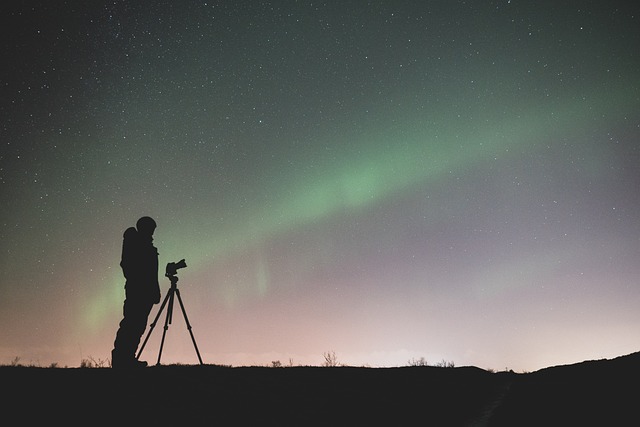
Looking up at the night sky can be a mesmerizing experience, so much so you might be considering how best to begin stargazing? In this beginner’s guide, we’ll dive into everything you need to know about how to begin stargazing – from choosing your equipment to identifying celestial bodies.
The twinkling stars, planets, and constellations all seem to tell a story that has captivated us for centuries. If you’re someone who’s always been fascinated by the mysteries of the universe but you don’t know where to start, then we can help get you started with a fascinating hobby.
How to Begin Stargazing
There’s a lot to see when you start looking up at the night sky. In addition to stars, you might spot planets, satellites, comets, asteroids, meteors, and more. And that’s just within our own solar system! There are billions of galaxies beyond our own Milky Way, each containing billions more stars. It’s no wonder that stargazing has been a popular pastime for centuries.
There are many reasons why stargazing is popular. For starters, it’s a great way to relax and unwind. There’s something about looking up at the night sky that just has a way of calming the mind and soul. Additionally, stargazing is a great way to connect with nature. It’s a chance to step away from the hustle and bustle of everyday life and appreciate the beauty and serenity of the natural world.
But beyond simply being an enjoyable pastime, stargazing also has some real benefits. For example, did you know that spending time outdoors under the stars can actually help improve your sleep quality? Studies have shown that exposure to natural light during the day helps to regulate our body’s internal clock and that spending time in darkness at night helps promote the release of melatonin, which makes us sleepy. So if you’re having trouble sleeping, try spending some time outside stargazing!
In addition to helping you sleep better, stargazing can also boost your mood and mental well-being. One study found that participants who spent just 20 minutes looking at the stars reported feeling more wonder, happiness, and awe than those who didn’t gaze at the stars at all. So if you’re feeling down or stressed out, head outside for some quality star time!
Necessary Equipment
At the most basic level, you don’t need equipment, but your experience of stargazing will be greatly enhanced if you invest in some kit. It’s definitely fun to look up and spot the constellations, but the moment you lift a telescope or some good binoculars to your eyes the sight is simply breathtaking. At this point, you’re at a different level.
Many people assume that a telescope is necessary. It’s true that a good-quality telescope is helpful but you may also find that a powerful set of binoculars is easier to handle. For the moment, let’s stick with telescopes. There are many different types and sizes of telescopes available on the market, so it is important to do your research to find one that fits your needs and budget. Once you have a telescope, you will also need a tripod to mount it on. This will help to steady the telescope and keep it from moving around too much.
In addition to a telescope and tripod, there are a few other items that can be helpful when stargazing. A star chart can be very useful in helping you to find constellations and other objects in the night sky. A red flashlight can also be helpful for reading star charts in the dark without ruining your night vision. Finally, binoculars can be useful for getting a closer look at things in the sky, especially if you don’t have a telescope.
If you’ve ever looked up at the night sky and wondered what you were seeing, then stargazing is for you! With a little patience and the right equipment, anyone can explore the universe from their own backyard.
Using a Telescope
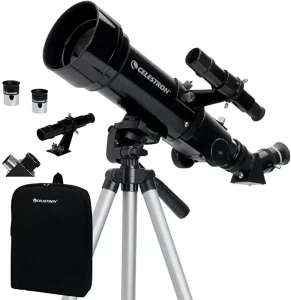
Put simply, a telescope allows you to see things that are too faint to be seen with the naked eye, such as stars, planets, and galaxies. There are many different types of telescopes available on the market, from simple refractors to sophisticated reflectors. In general, bigger is better when it comes to telescopes. However, larger telescopes can be more expensive and require more effort to set up and use.
If you’re just starting out, we recommend a small telescope that is easy to use and transport. You can always upgrade to a larger model later on! Starter kits, such as the image to your left, typically come with a few supplies such as a tripod, a couple of lenses and a carrying case.
Where to Go Stargazing
This is easy to answer. You need to get as far away as you can from things like street lights, or any artificial lighting thrown up by towns, cities or buildings. Of course, you can certainly see things like the moon from your backyard, but street and town lighting will act to blur your image. Be aware that even in the darkest places there is generally a certain amount of atmospheric ‘shimmer’ which may vary according to where you are and the atmospheric conditions at the time. Add street lighting into the equation and your stargazing experience might not always be that great. So, get out and about and find darkness.
What to Look For
If you’re new to stargazing, you may be wondering what kind of celestial bodies you can expect to see in the night sky. Here are some of the most popular constellations and other celestial bodies to look for:
-The Big Dipper: This constellation, also called the Plough, is one of the easiest to spot and is located in the northern sky. It consists of seven bright stars that form the shape of a ladle (or dipper).
-Orion: Orion is another popular constellation that is easy to spot. It is located in the southern sky and is made up of four bright stars that form a rectangular shape.
-The Pleiades: The Pleiades is a cluster of seven stars that can be seen with the naked eye. It is located in the constellation Taurus and is often referred to as the Seven Sisters.
-The Moon: The Moon is not technically a star, but it is still one of the most fascinating celestial bodies to observe. Its phases and surface features can be seen with the naked eye, and it’s always changing so there’s always something new to see!
Tips and Tricks
If you’re new to stargazing, the night sky can seem like a daunting place. But with a little bit of knowledge and some planning, you can start to explore the universe beyond our world. Here are some tips and tricks to help you get the most out of your stargazing experience:
|
|
1. Get to know your local night sky. One of the best ways to learn about stargazing is to simply go outside and look up. Familiarize yourself with the major constellations and how they appear at different times of year. This will help you orient yourself when you’re trying to find specific stars or planets in the sky.
2. Use a star chart or app. A star chart can be a helpful tool for finding your way around the night sky. There are also many great stargazing apps available for smartphones and tablets that can help you identify stars, planets, and other celestial objects. |
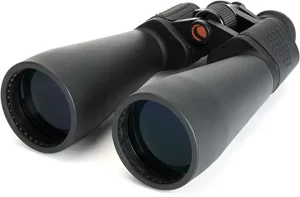
3. Invest in a good pair of binoculars or a telescope. While you can see plenty of stars with just your eyes, binoculars or a telescope will allow you to see much more detail. If you’re serious about stargazing, investing in some quality equipment can really enhance your experience.
4. Plan ahead and choose a dark location. Light pollution from cities and towns can make it difficult to see stars, so it’s best to head out into darker areas away from city lights.
Conclusion
Stargazing is a wonderful way to explore the night sky and discover its mysteries. With the right tools and know-how, you can make every night an adventure. We hope this beginner’s guide has provided you with the information you need to get started on your journey of discovering the wonders of the night sky. Let us know how you get on.
A positivity guide to fly fishing
Discover Your Roots: A Step-by-Step Guide to Tracing Your Family Tree