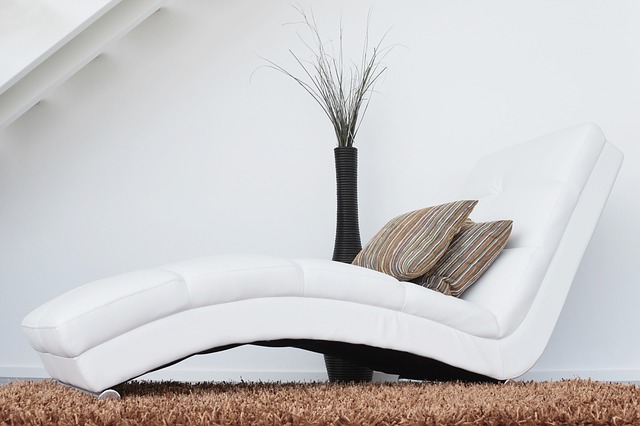
There are a number of benefits to living a minimalist lifestyle. I’ll expand upon these and show you the ways in which paring down can actually help you to grow and to gain more than you give up.
We’ll delve into the ways you can incorporate minimalist principles into your entire life. Your home environment is the logical place to start. This is your sanctuary. With some purposeful planning, you’ll soon create a living space that reflects your ideals and brings you a sense of peace.
The Minimalist Lifestyle
Living a minimalist life is a process. It’s not something you can accomplish overnight. You can start out small, simplifying just one room. Maybe even just one cabinet or drawer. As you continue modifying your practices and your environment, you’ll start to find a groove that works for you.
Minimalism is about intention. It’s about creating life with purpose. Each decision is deliberate and is meant to resonate with you. As you change and grow as a person, your preferences will also evolve. This is natural.
You may begin by changing only a few things in your immediate environment. Over time, as you begin to understand what minimalism means to you and adapt it to various aspects of your life. It’s possible to find yourself choosing to live in a smaller home, revamp your career, or embark on more adventures instead of investing your money in material possessions.
That’s what is so wonderful about minimalism. It never looks the same for any two people. Your journey is uniquely your own. It can change and shift to meet your needs in the moment.
Making intentional choices is an overarching theme of minimalism and of this eBook. As your life changes, so will your purpose. The possibilities are exciting to think about. Minimalism puts you in the driver’s seat of your life. Let’s move on to the next chapter, and I’ll show you what I mean.
What Is Minimalism?
Minimalism is a concept that allows you to live a purpose-driven life. In today’s culture, it’s not unusual to accumulate a lot of possessions and to work very hard in order to maintain a particular lifestyle. That’s not an inherently bad thing. However, sometimes people find themselves mindlessly continuing a pattern of activity just to maintain something that is no longer enriching.
When this occurs, there’s a disconnect that can lead to emotional discomfort. Perhaps it’s this feeling that has led you to want to learn about minimalism. Minimalism isn’t about denying yourself or living a limited life. Its focus is on opening life’s possibilities by making decisions proactively that meet your specific goals.
Minimalism encourages you to determine what’s most important to you and to focus on those priorities. It allows you to let go of what doesn’t serve you. This is something that can be quite liberating.
Basic Concepts of Minimalism
Minimalism is defined differently by each individual. There are some basic components across the board that many minimalists share. When you have a general understanding of what is involved in the minimalist philosophy, you can begin to adapt it in a way that fits seamlessly into your life.
In general, minimalism involves living a simpler life, one with fewer possessions. This simplicity can also include fewer obligations, distractions, commitments, unhealthy relationships, or time constraints. Anything that keeps you from pursuing your most desired activities can be minimized as a way of living a purposeful life.
In fact, at the heart of simplicity lies the desire to live with intention. This can be demonstrated and lived in a variety of ways. Again, all of these are dependent upon your own personal interests, needs, and lifestyles.
Many view minimalism as paring down material possessions. That’s a part of it. In today’s world, there is an emphasis on materialism. People seem to be working in order to buy more things, and many are finding this cycle to be unfulfilling and stressful. Having more possessions rarely leads to happiness. In fact, it can result in just the opposite. Living with clutter causes stress and anxiety, among other issues. Therefore, you may find that limiting the amount of stuff you own will provide you with more breathing room and more joy.
Simplifying one’s possessions leads to a focus on intention. When you choose to get rid of things, you must prioritize and choose which are of most value and importance to you. While this process can be difficult and overwhelming at first, you will soon become more confident in your choices. You’ll gain better personal insight into what matters most to you, and you’ll find yourself living a life that is in alignment with your values.
Taking charge of your time is another component of minimalism. Along with unnecessary possessions, you can begin to decide which commitments matter most to you and which you can let go of. This goes for people as well. The ways in which you spend your time and energy can be tailored to your priorities and values.
Apply this same concept to finances. When you spend and make money with intention, you feel better about your choices. You may decide to spend more on items of quality rather than chasing trends or making impulse choices. You could determine that your current job isn’t contributing to your overall financial goals, leading you to revamp your career in a way that brings you more money and more control of your time.
Discovering and honoring your purpose is another aspect of minimalism. Many people see the lifestyle as merely committing to living with less stuff, but it’s so much more than that. When you begin to let go of what no longer serves you, you’ll start to have a clearer picture of what you want out of life. Your priorities, values, and motivations come into focus. Living a minimalist lifestyle lends itself quite well to all sorts of self-growth. This type of insight helps to guide you in every future life decision. Minimalism almost always involves discovering your purpose and growing as a person.
Minimalism is also freedom. It’s the freedom from consumerism and from obligations that weigh you down. It also gives you the freedom to choose your experiences with intention and to spend your time in ways that are meaningful to you. Becoming a minimalist can help to liberate you from society’s expectations and traps.
Benefits of a Minimalist Lifestyle

When you rid your life of excess, you’re making room for more of what truly matters to you. Embracing a minimalist lifestyle forces you to take stock of the types of possessions, relationships, and experiences you most desire. Once you begin to acquire this self-understanding, you’ll notice your priorities falling more naturally in line. You can then focus on the things that bring you joy instead of sorting through endless distractions.
Your path to minimalism will also help you to focus less on material things. It’s easier to see that the latest clothing, gadgets, toys, or cars don’t matter as much as the ability to spend your time and money in ways that are most meaningful to you. Breaking free from the consumerist trap will provide you with greater control of your life in general.
What Minimalism Is Not
As we’ve established, minimalism is different for everyone. However, there are some common misconceptions that may keep some people from adopting this philosophy in their own lives.
First of all, it’s important to note that minimalism doesn’t mean getting rid of nearly everything you own. Nor does it require you to limit yourself in punitive ways. The philosophy isn’t about denial or lack. It’s truly about gaining more through the process of intention. When you incorporate minimalist practices into your life, it’s true that you will find you end up with fewer possessions. You may also find yourself with fewer unwanted obligations, less stress, and decreased dependence on living by society’s rules. You also gain things like more time, more control, more freedom, and more quality in various aspects of your life.
You should also know that minimalism isn’t synonymous with being frugal. Frugality is spending wisely and finding ways to save. This can be a product of minimalism, and that’s great. But it’s not the focus. Minimalism isn’t about saving and scrimping. Its focus is on choosing your possessions and experiences with purpose. Sometimes those choices might be the more expensive ones, such as investing in a well-made tailored item of clothing over a trendy, cheap, off-the-rack piece.
Some people think that minimalism requires home or office décor that is sparse or lacking in color. That’s not true at all. As with every other aspect of this lifestyle, you choose what works for you. What matters is that you choose pieces and accessories that you love and ones you’ll use. So, feel free to invest in colorful throws, decorative pillows, and large pieces of art. It’s all good.
Others may even believe you can’t have hobbies or collections and be a minimalist. Not true. Despite the fact that these things sometimes involve a lot of stuff, they can still be incorporated into your purposeful lifestyle as long as you are using the items and enjoying them. That’s all minimalism is saying.
In fact, minimalism doesn’t apply to just material things at all. It’s not all about the stuff. Living a minimalistic life means choosing with intention what you allow into your space, mind, and heart. This applies to your time, relationships, experiences, and nearly almost every aspect of your life. As long as you’re taking the time to think about and prioritize your choices with the result being that you keep only what brings you value, you’re being true to the principles of minimalism.
You can gain tremendous clarity and peace of mind through minimalism. Visual clutter creates stress in many of us. When you pare down your physical possessions and organize what remains, you’ll create a more pleasing environment. It will look neater. Things will be easier to find and to use. You’ll likely feel like a weight has been lifted.
In short, minimalism can help to bring you more life satisfaction and overall happiness. Once you begin to live by your values and priorities, you gain a great deal of control over your life. You’re more confident in your choices. You have more time and resources to pursue what you love, as you’ll be more productive once you begin to remove the excess from your home, work, and personal life.
Simplifying Your Home
Your home is your castle, your sanctuary. It’s where you unwind from a hectic day and spend time with the people you love. It should be an oasis of peace and calm. But for many, busy lifestyles lead to home becoming a cluttered and chaotic mess. Minimalism can definitely provide you with the tools to change that.
While there are things you can do in each room of your home to tackle the clutter and get things in ship-shape order, I’d like to begin by sharing some general suggestions for getting started. Being in the correct mind frame is important and having a plan can make the process seem less daunting.
 My best piece of advice to get started with the decluttering and minimizing process is to just start small. Many people choose one room to clean out. You might decide one cabinet is an easier step. It doesn’t matter. What’s most important is just taking a step. Once you do, you will probably discover that it becomes easier and that momentum builds.
Begin by choosing which items you don’t use or haven’t touched in a long time. Some say if you haven’t used it in a year, you should donate it. Choose a system that works for you. Start a donation pile and get rid of the things you know you don’t need. Consider storing items that you’re unsure about but do take time to be as honest as you can with yourself. Removing as much unnecessary clutter as possible is the goal.
Find ways to organize, categorize, and display the things you decide to keep. Make the room as comfortable for your lifestyle as possible. Once you have one space that is calm and inviting, it will motivate you to move on to the others. The process does become easier.
One way to make a big visual impact on clutter removal is to pare down your furniture. Rooms can be overflowing with furnishings, making them difficult to walk through and overwhelming to the eye. Some blank space allows the room to flow. Think about removing pieces that look too large for the room or making some substitutions. Consider ways to incorporate multifunctional items like storage ottomans or a daybed with drawers in the guest room instead of a large queen bed.
The surfaces in your home should be as relatively clutter-free as possible. This includes countertops, desks, tables, and even floors. This goal serves to aid in removing unnecessary items from the home, as well as in removing visual clutter and making your life more productive. I’ll share tips for corralling and organizing any remaining items in the next section of this chapter.
While minimalistic decorating isn’t as restrictive as you may have been led to believe in the past, it still makes sense to keep your artwork, photos, and accessories to a minimum when possible. If the rest of your room is clutter-free and streamlined, having an abundance of décor and knick-knacks can throw the look of the room off-balance. Bear in mind you only want to keep the pieces you love.
A good rule of thumb is to find a place for everything. You can find lots of creative ways to do this. Multi-use furniture and cupboards are helpful. As are baskets, crates, and decorative boxes. Containers of all shapes and sizes can be found. It may also be fun to refinish an old furniture piece to bring new life and purpose to it. When things are stored away neatly, they are easier to keep track of. You don’t lose time trying to find them, and they simply look more pleasing. In addition, having a place for everything helps to keep you from falling into old impulse buying habits.
Finally, when you’ve finished clearing an area or a room, it’s always good to wait a day or so and then go back for one more inspection. It’s usually possible to find a few more things you can part with.
Looking at your work with a fresh eye gives you a new perspective. You’ll probably find something else you could donate or at least store in a more logical spot. You can do an edit every few months to make sure things remain orderly.