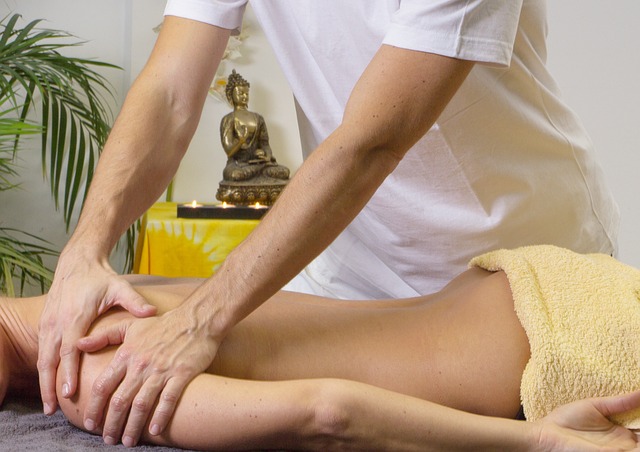
Massage is often seen as a treat—a spa-day indulgence or a birthday gift—but it’s far more than a luxury. Touch is one of the most fundamental human needs, and massage, when done professionally or even informally at home, can be a powerful tool for improving overall well-being.
Benefits of Massage
Whether you’re dealing with stress from work, chronic aches, or a restless mind, massage offers a multi-layered set of benefits that touch the mental, emotional, and physical aspects of health.
Mental Benefits: Calming the Noise
Modern life rarely switches off. Notifications, deadlines, and constant digital chatter keep our minds buzzing long after the workday ends. Massage provides a rare pause—a space to disengage from the mental treadmill.
- Reduces Stress Hormones: Research consistently shows that massage lowers cortisol, the primary stress hormone. Less cortisol means lower blood pressure, steadier mood, and a calmer nervous system.
- Enhances Mental Clarity: By easing muscle tension and slowing heart rate, massage activates the parasympathetic nervous system—the “rest and digest” mode. This shift supports sharper thinking and improved focus afterwards.
- Supports Better Sleep: The combination of reduced stress and increased serotonin (a precursor to the sleep hormone melatonin) makes it easier to fall asleep and stay asleep.
Think of massage as a mental reset button. Even a 20-minute chair session can leave you clearer, calmer, and more able to make thoughtful decisions.
Emotional Benefits: Restoring Connection
Touch is a language in itself. Safe, caring touch communicates comfort and acceptance, and regular massage can help meet the deep emotional need for connection.
- Eases Anxiety and Depression: Gentle, rhythmic pressure encourages the release of endorphins—your body’s natural “feel-good” chemicals—while reducing stress hormones. Many people report an uplifted mood and a sense of emotional release after a session.
- Enhances Mind-Body Awareness: Massage invites you to notice sensations without judgment. This mindful attention can help you feel more present and grounded, which is especially valuable if you’re dealing with emotional overwhelm or grief.
- Encourages Self-Care: Booking a massage is a deliberate act of prioritizing yourself. This simple commitment can reinforce healthier boundaries and remind you that your well-being matters.
For those who often put others first, massage can be a gentle practice of self-compassion—a way of saying, “I deserve to feel good.”
Physical Benefits: Healing and Strengthening
Of course, the most obvious benefits of massage are physical. From easing sore muscles to supporting circulation, the effects go beyond simple relaxation.
- Relieves Muscle Tension and Pain: Whether from long hours at a desk or an intense workout, tight muscles restrict movement and cause discomfort. Massage improves blood flow to these areas, reduces inflammation, and promotes healing.
- Boosts Circulation and Lymphatic Flow: Improved circulation brings oxygen and nutrients to tissues while aiding the removal of metabolic waste. Lymphatic drainage techniques can also help reduce swelling and strengthen immune function.
- Supports Flexibility and Posture: Regular massage can lengthen tight muscles, increase range of motion, and help correct imbalances that lead to poor posture and back pain.
Athletes often use massage to speed recovery, but anyone can benefit—especially those with sedentary jobs or chronic conditions like arthritis.
Making Massage Work for You
You don’t need a luxury spa appointment to reap these benefits. Consider these practical options:
- Professional Massage: Look for licensed therapists and styles that match your needs—Swedish for relaxation, deep tissue for chronic tension, or aromatherapy for a sensory lift.
- Self-Massage or Partner Massage: A simple tennis ball under the shoulder blade, or a gentle foot rub from a partner, can release tension and soothe the nervous system.
- Regular Routine: Consistency matters more than duration. Even monthly sessions can help maintain mental clarity and muscle health.
If you’re new to massage, start small. A 30-minute session can be surprisingly effective.
A Holistic Form of Care
Massage bridges the gap between mind and body, offering benefits that compound over time. By lowering stress, improving circulation, and fostering emotional balance, it’s a natural complement to other wellness practices like meditation, exercise, or mindful breathing.
Most importantly, massage reminds us of something easily forgotten in a busy world: that caring for the body is inseparable from caring for the mind. Touch is not a luxury—it’s a form of nourishment, a reset for the nervous system, and a quiet way to reconnect with yourself.
So, the next time you think of massage as merely a pampering treat, remember it’s actually a powerful investment in your mental, emotional, and physical health.