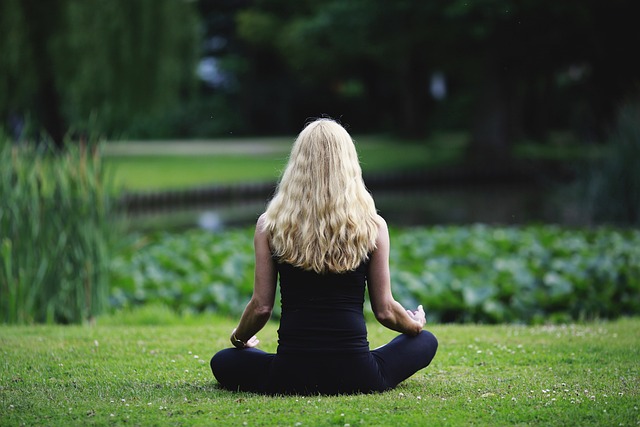
Self-care behaviors should never be put on the back-burner but it’s all too easy to neglect our own well-being while juggling countless responsibilities. From small daily rituals to profound mindset shifts, we’ve compiled a list of 7 often-overlooked self-care behaviors that will transform your relationship with yourself and every aspect of your life.
Self-Care Behaviors To Prioritize
Self-care is a term that has gained a lot of attention in recent years, especially in the fields of mental health and wellness. The concept of self-care refers to taking care of one’s physical, emotional, and mental well-being. It involves making intentional choices and actions that promote a healthy lifestyle in order to improve overall quality of life.
In today’s fast-paced world, where we are constantly bombarded with responsibilities, deadlines, and societal pressures. It can be easy to neglect our own needs in the pursuit of success. However, this can have detrimental effects on our physical and mental health. Therefore, it is crucial to prioritize positive self-care as an essential part of our daily routine.
The Importance of Self-Care:
Self-care practices such as eating nutritious meals, regular exercise, getting enough sleep, and avoiding harmful substances like alcohol or drugs are vital for maintaining physical health. Neglecting these behaviors can lead to various health issues such as obesity, heart disease, diabetes, and fatigue.
Moreover, engaging in activities that help us relax and unwind like yoga or meditation can also have positive impacts on our physical well-being by reducing stress levels and boosting immune function.
Taking care of ourselves not only benefits our physical health but also plays a significant role in promoting mental well-being. Engaging in activities that bring us joy or practicing mindfulness techniques can help reduce stress levels and improve overall mood.
At its core, self-care behaviors are about taking care of your physical, emotional, and mental well-being. It involves intentionally setting aside time and energy to nurture yourself and meet your needs. Self-care behaviors are not selfish or lazy; they are an essential aspect of maintaining a healthy lifestyle.
Commonly Neglected Self-Care Behaviors
Self-care is often associated with indulgent activities like spa days, bubble baths, and luxurious vacations. While these can be great forms of self-care, they are not the only ways to prioritize ourselves and our well-being. In fact, there are many self-care behaviors that we tend to neglect in our busy lives.
Getting Enough Sleep
With jam-packed schedules and endless to-do lists, getting a full night’s rest often falls to the bottom of our priorities. However, getting enough sleep is crucial for both physical and mental well-being. Lack of sleep can lead to fatigue, irritability, difficulty concentrating, weakened immune system, and increased risk of chronic diseases such as obesity and diabetes.
Make it a priority to get at least 7-8 hours of sleep each night. Set a consistent bedtime routine and create a comfortable sleep environment conducive for relaxation. This may include turning off electronics an hour before bed, using essential oils or calming music, or investing in a comfortable mattress or pillows.
Sleep plays a vital role in maintaining our overall health and well-being. It allows our bodies to rest and repair, which is essential for proper functioning. Lack of sleep can have serious consequences on our physical health, including an increased risk of heart disease, diabetes, obesity, and weakened immune system.
Moreover, getting enough quality sleep is also crucial for our mental health. It helps us regulate emotions, improve concentration and memory retention, and reduce stress levels. On the other hand, chronic lack of sleep has been linked to anxiety disorders and depression.
Setting Boundaries
Setting boundaries is an important aspect of self-care that we often overlook. Boundaries are essential for maintaining a healthy and balanced life, as they help us define our personal limits and protect our well-being.
Firstly, it’s important to understand what boundaries are and why they are necessary. Boundaries can be physical, emotional, or relational. They can include things like saying no to activities or tasks that drain us, setting limits on how much time we spend with certain people, or protecting ourselves from toxic relationships.
One common misconception about setting boundaries is that it means being selfish or uncaring. However, this couldn’t be further from the truth. Boundaries allow us to prioritize our needs and communicate them effectively to others. When we have clear boundaries in place, we can show up fully for ourselves and others without feeling drained or resentful.
So how do we go about setting boundaries? The first step is to identify areas of your life where you feel overwhelmed or drained. These could be situations where you feel taken advantage of, obligated to say yes when you want to say no, or constantly sacrificing your own needs for the sake of someone else’s.
Once you have identified these areas, it’s time to set some boundaries. This can be challenging at first, especially if you’re used to putting others’ needs before your own. But remember, setting boundaries is an act of self-love and self-preservation.
Start by communicating your boundaries clearly and assertively. Be direct and honest about what
Taking Breaks and Resting
Taking breaks and resting are essential self-care behaviors that often get neglected in our busy lives. One of the main reasons why taking breaks and resting are vital for self-care is that they allow our bodies and minds to recharge. Just like any electronic device needs to be recharged after being used for a long time, our bodies also require some downtime to function at their best. Ignoring this need for rest can lead to burnout, fatigue, and other health issues.
In addition to recharging ourselves physically, taking breaks also gives us an opportunity to clear our minds and reset mentally. Our daily lives are filled with constant stimulation from technology, work responsibilities, social media updates, etc. This can leave us feeling overwhelmed and mentally exhausted. By stepping away from these distractions during breaks, we give ourselves space to decompress and relax.
Moreover, taking regular breaks has been shown to improve productivity levels. When we keep working without taking any pauses or rests, our focus starts wavering due to fatigue or boredom. This results in decreased efficiency and quality of work. However, by incorporating short breaks into our routine schedule throughout the day, we allow ourselves time to recharge both mentally and physically which ultimately leads us back into tasks with more
Practicing Mindfulness and Meditation
Mindfulness and meditation are two powerful self-care practices that often go neglected in our busy lives. These practices can help us connect with ourselves, reduce stress, and cultivate a sense of inner peace and well-being.
What is mindfulness?
Mindfulness is the practice of being fully present in the moment without judgment or distraction. It involves paying attention to our thoughts, feelings, bodily sensations, and surroundings without getting caught up in them. By being mindful, we become more aware of ourselves and our surroundings, allowing us to respond to situations with clarity and understanding.
How to practice mindfulness:
1) Start by finding a quiet place where you won’t be disturbed for a few minutes.
2) Sit comfortably with your eyes closed or softly focused on one spot.
3) Focus on your breath as it enters and exits your body. Notice the rise and fall of your chest or the sensation of air passing through your nostrils.
4) As thoughts come into your mind, acknowledge them but do not engage with them. Imagine them as clouds passing by in the sky.
5) Bring your attention back to your breath whenever you find yourself getting lost in thought.
6) You can also try focusing on other senses such as sound or touch to ground yourself in the present moment.
Nourishing Your Body with Healthy Foods
One of the most important aspects of self-care is nourishing your body with healthy foods. What we put into our bodies has a direct effect on how we feel physically and mentally.
Eating a well-balanced diet not only provides our bodies with the necessary nutrients and energy it needs to function properly, but it also has a significant effect on our mood, cognitive abilities, and overall well-being.
Whole foods refer to unprocessed or minimally processed foods that are as close to their natural state as possible. These include fruits, vegetables, whole grains, lean protein sources such as fish and chicken, nuts and seeds, and healthy fats like avocados and olive oil.
Incorporating more whole foods into your diet can help improve your overall health by providing essential vitamins, minerals, antioxidants and fiber that may be lacking in processed foods. They also tend to have lower amounts of added sugars and unhealthy fats which can have negative effects on our health.
Physical Activity
Physical activity is an essential aspect of self-care that often gets neglected. We confuse physical activity with being busy, but answering calls or shifting papers around is not the same as purposeful exercise. Engaging in regular physical activity not only benefits our physical health but also has a positive impact on our mental and emotional well-being.
First and foremost, incorporating physical activity into our daily routine can greatly improve our overall physical health. Regular exercise helps to strengthen the heart and lungs, improves blood circulation, and reduces the risk of chronic diseases such as heart disease, diabetes, and obesity. It also helps to maintain a healthy weight by burning calories and building muscle mass.
Moreover, engaging in physical activity releases endorphins in the brain – chemicals that act as natural painkillers and boost feelings of happiness and well-being. This can help to reduce stress levels, anxiety, and symptoms of depression. In fact, studies have shown that regular exercise can be just as effective as medication for treating mild-to-moderate depression.
In addition to improving our physical health and mental well-being, being physically active also has numerous benefits for our cognitive function. Exercise increases blood flow to the brain which can improve memory, concentration, and overall brain function. It has even been linked to a reduced risk of cognitive decline and dementia in older adults.
Furthermore, participating in physical activities can provide us with opportunities for social interaction which is important for our emotional well-being. Joining a sports team or group fitness class allows us to connect with others who share similar interests while engaging in an enjoyable form of exercise together.
Mental Health Support
Mental health is a crucial aspect of our overall well-being, yet it is often overlooked. Seeking mental health support should be considered a top priority in our self-care routine.
The first step towards seeking mental health support is understanding its significance. Our mental health affects every aspect of our lives, including our relationships, work performance, physical health, and overall happiness. Ignoring or neglecting it can have severe consequences on our well-being in the long run.
Each one of us has different needs when it comes to mental health support. It could range from managing stress and anxiety to dealing with trauma or underlying psychological issues. Therefore, it is essential to identify your specific needs before seeking help from a professional.
Seeking help from a mental health professional does not mean you are weak or incapable of handling your problems; instead, it shows strength and self-awareness. A therapist or counselor can offer unbiased support and guidance to help you manage your emotions effectively.
With technology advancements, there are now various online resources available for seeking mental health support conveniently from the comfort of your home. From virtual therapy sessions to online support groups and apps that promote mindfulness and relaxation techniques – these resources can be beneficial for individuals who may feel hesitant about
The Effects of Neglecting Self-Care Behaviors
Neglecting self-care can have serious consequences for our mental health. When we don’t make time to take care of ourselves, we may experience increased stress, anxiety, and even depression. This is because without proper attention to our needs and emotions, they can build up over time and eventually lead to burnout or breakdowns.
Self-care practices such as mindfulness meditation, journaling, or engaging in hobbies can help us alleviate stress and improve our mental well-being. By neglecting these behaviors, we may be missing out on important opportunities to recharge and manage our emotions effectively.
Our physical health is also greatly affected by neglecting self-care behaviors. When we prioritize work or other obligations over taking care of ourselves physically – whether it’s through exercise or eating nourishing foods – our bodies suffer the consequences.
Lack of physical activity can lead to a host of health issues including weight gain, weakened immune system, heart disease, diabetes, and more. Similarly,sustaining a poor diet due to neglecting self-care can result in nutrient deficiencies that affect energy
Many people tend to overlook certain aspects of self-care without even realizing it. These behaviors may seem insignificant at first glance but are crucial for maintaining a healthy balance in life. Some common examples include getting enough sleep, eating nutritious meals regularly, staying hydrated throughout the day, taking breaks from technology or work-related stressors, spending quality time with loved ones, engaging in hobbies or activities we enjoy, practicing mindfulness or meditation techniques.
It is important to reflect on your daily routine and identify which self-care behaviors you may be neglecting. This will help you understand where you need to focus your efforts when it comes to prioritizing self-care.