Budget outdoor ideas for children are often some of the most fun. I’m a full-time teacher and I au pair in the holidays. When au pairing I spend a lot of time thinking ‘how much?’
As expected, lock-down has hit the economy hard and businesses are attempting to claw money back by increasing prices (especially once you are in the door). I have put together a few ideas that can create a budget day out.
Outdoor Ideas for Children
The suggestions I give are based on my knowledge of teaching and qualifications in outdoor learning and forest school. Children, especially those attending school love projects and ideas with a purpose so I hope these help.
Technology with a twist
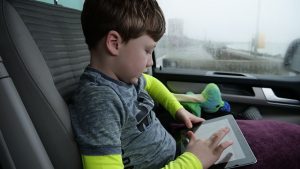 Taking your children’s iPad out with you can lead to an exciting day taking photos. Go to a local forest, walk or even a town centre. Before you go have a little look at photography with your children on Google (if they are up to it), show them how photos don’t have to be entire pictures. How colours and perspective can totally change the way we look at the world.
Go out and let them take a few snaps, stop review them and chat about it. What do they like? What else could they try? Model getting up close to things (bark, stones, grates) to create new images before developing into some of the activities listed.
Activities:
- Create a competition for the best black and white photo.
- Print the photos to create a scrapbook they can share with home.
- Return home and draw some of the photos they have taken to share.
- Make a ‘guess what’ game. Take lots of photos from different angles and see if they can guess what each other’s pictures are or if they are alone create one they can share with family later. It gives their project a purpose and they will feel proud to be able to show what they have achieved later.
- Take photos with the plan to print and frame a few to decorate their bedroom.
Art in Nature
This time you will need somewhere a little more rural; a safe field, park or riverside walk would be perfect. Get the children to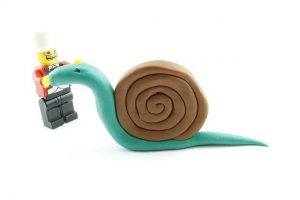 create pictures using natural objects. I have used a cheap pack of blue-tac or play dough. This allows the children to link things up and, if they are a little older, create 3D scenes or projects.
Children need guidance so don’t just go ‘build something’. Start with an idea before you leave the house or when you arrive for example ‘hey, how do you think the sun would look made from these things?’ or ‘I wonder if you could create a picture of mummy using some sticks and leaves?’ The idea may change, that’s fine, but no matter how old the child is start with a key theme. I have done this with 16-year-old ‘lads’ and we have created a picture each. No one is too old for a little bit of fun if they see you doing it too.
Free swim
This has come into fashion alongside paddle-boarding since lockdown and I am SO pleased!
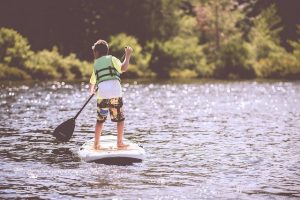 The most you should have to pay on a day like this is for parking. Take your own picnic, even some paper so they could draw when they get tired. I would recommend taking a few things that you would take on holiday (ie floats/ softball) and it’s even more exciting if you can link it with little stops to find a waterfall as well. I follow some wonderful Instagram and Tiktok groups that share walks/ swims in my local area. They are fantastic as they provide postcodes, information on dogs, parking and cafes if you want to spend a little more or need your caffeine kick.
Day camping (for the younger ones)
Obviously, a pop-up tent isn’t free, but once obtained, it can help make a longer day a little more relaxed and flexible. In the past,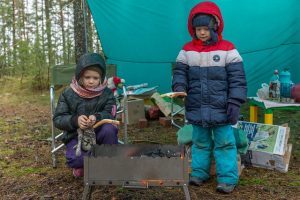 I have taken a tent to the local park, pitched it and taken a few of their least favourite games (it’s amazing what they want to play with once another child takes interest). In these situations, I have encouraged sharing and allowed other children from the park to join in the games and tent.
Always check with the parents involved especially during covid but the reality is if they are playing together in a park, a tent isn’t going to make any difference.
If you are feeling a little more generous, you can use it a little bit like a free car boot. Take the games and activities you no longer want and give it to the children enjoying them before they go home.
Car camp
My advice for this is to start locally and build up. Many pitches are now allowing cars if you want proper toilet facilities, but the likelihood is you will go to bed late and wake up early.
Make the first day of your adventure. The coast is always an excellent shout even on a wetter day. The wonderful thing about a night car camping is that you won’t need much to make this feel like an adventure especially if you are driving home first thing the next morning or late that night once the suns down. Fish and chips nearby or a single camping hob.
You will need:
- A big bottle of water (for teeth cleaning and for mixing with juices)
- A change of clothes (just in case)
- Towels if you are by the beach
- Bedding
- Potty
- Single burner and simple heat food.
- Wet wipes
These places are fabulous because they are cared for. Don’t leave your litter behind ☹
Learn a game
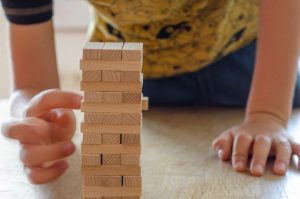 Find a space and learn a new game. Some of the classics are the best for a reason. Things like garden Jenga, badminton and boules are all excellent. They are fairly easy to learn, any age can have a good go and it doesn’t hurt when it goes wrong.
You can also make classics from natural objects. Naughts and crossed with leaves and stones. Tic-tac-toe with sticks and stones or Pick-Up-Stick with…I think you get the point. Half the fun can be finding and setting up the game. Again, the collection has a purpose even if the outcome isn’t amazing.
Music
For the younger children, this could be taking a variety of everyday containers out with you including cling film and a few elastic bands or lids. Fill the containers with different things you find along your walk. Let the children try things you wouldn’t. The temptation is when they have a go-to intervene for example ‘no grass won’t work it won’t make a good sound’ etc. Let them find out keep the ones they like and throwback the natural objects they don’t.
You could always let them keep their new noisy instruments at home. Decorate paper and then stick it down with PVA.
For the older children, your child might be creative enough to build themselves a small drum kit etc with different containers. Alternatively, you could build music into a tiktok or recreating a scene from their favourite films.
Outdoor cooking
If you are happy to prepare, I would really REALLY recommend this. I have done outdoor learning for years and the children get so much from the process.
Have a quick look for simple campfire recipes and give it a go. I would recommend the not so tasty but easy to make bread you can dip in jam or Nutella or things like the orange cakes. This is where you create a simple cake mix that goes inside an orange, wrapped in kitchen foil and cooked over a fire (or for safety reasons, a single camp hob in a pan with a little water.
Remember, it’s all about the process and getting messy so stick to something simple that the child or children can lead as much as possible. The nice thing about being outdoors is when the flour spreads it’s not all over your kitchen. Older children could be encouraged to take photos of the process and share it either in a mini booklet or as a small photo book with their new teacher when they return to school.
Add a little magic
Take something indoors outdoors. Younger children love a little magic so take them somewhere quiet and ‘spot signs of a fairy’. Again, you will need to give the project direction. ‘Oh this fairy looks like they are important, I bet they would like something to sit on.’ ‘I bet they get hungry, what could we make them to eat?’
Find places fairies/ goblins etc might live and leave little gifts.
It’s up to you if you combine natural objects with creative items such as playdough or quick-dry clay but make sure you take your own items away with you. This can sometimes be hard when your child wants to leave it for the fairies so, I suggest a little distraction before sneaking it away!
Go for a walk
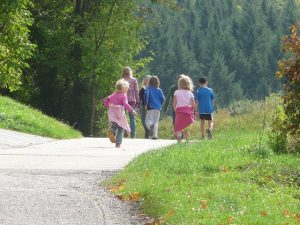 This sounds so simple but after years of teaching, I am still amazed (and a little saddened) by the number of children that get restless after an incredibly short walk purely because families don’t bother to do this. It is genuinely a skill children need to learn. More and more we are about fast entertainment.
I can always tell the children that haven’t been given this time with their families to walk and talk. It can take a little more patience than you expect at times but you will reap the rewards and ultimately your child will be safer due to the simple directional skills and problem-solving you will naturally encounter.
A walk isn’t about getting from A to B or having a reward or park at the end. Stop along the way. Make dens, have a picnic, have a dance-off in the middle of a field!