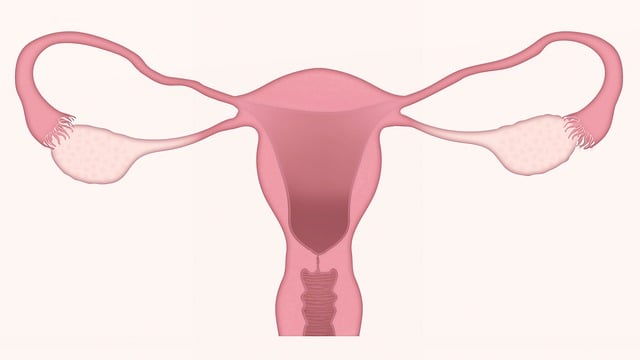
The Paragard intrauterine device (IUD) is a non-hormonal form of birth control that has gained popularity among women seeking long-term contraception.
A tiny T-shaped piece of plastic placed via the vagina into the uterus, it is a reversible method of birth control, allowing women to conceive once the device is removed.
In 1984, Paragard was originally authorized for sale by the US Food and Drug Administration. The device is the only non-hormonal IUD available in the US and is produced and marketed by Cooper Surgical, states the Drugwatch.
Despite its effectiveness, the birth control tool has potential risks and side effects which will be discussed in the post below.
Side Effects of Paragard IUD
Common side effects include:
- Anemia
- Backache
- Cramping
- Painful periods
- Uncomfortable Sex
- Expulsion (complete or partial)
- Longer than normal periods
- Pain
- Spotting in between periods
- Vaginitis
Serious Side Effects
Ectopic pregnancy, endometriosis, and perforation are among the dangerous side effects of Paragard. If you have an allergy to copper, polyethylene, or barium sulfate, you should avoid using Paragard.
A few women experienced dermatitis and eczema-like symptoms, although these were infrequent and went away after the copper-containing IUDs were taken out.
In addition, if you have Wilson Disease, you should not use Paragard. Due to this disease, the body is unable to eliminate excess copper, which accumulates in the organs and may cause potentially fatal harm.
Your doctor will check you during your pre-insertion examination and talk to you about any medical conditions or sensitivity issues that may affect the best birth control for you.
Complications of Paragard IUD
The complications include perforation of the uterus, expulsion, and pelvic inflammatory disease (PID). Uterine perforation, which happens when the IUD punctures the uterine wall, can lead to abdominal pain, bleeding, or damage to surrounding organs.
Expulsion refers to the IUD being partially or completely expelled from the uterus, resulting in a loss of effectiveness. Pelvic inflammatory disease is an infection of the reproductive organs, which can lead to symptoms such as pelvic pain, fever, and abnormal vaginal discharge.
On certain occasions, the IUD may shatter upon being removed, which may result in infertility, organ damage, the need for surgery to remove the device, perforation of the uterine wall, severe menstrual pain, broken pieces remaining inside the uterus, etc.
Removal of Paragard IUD
Removing Paragard could be more difficult if it breaks or becomes stuck in the uterus. In comparison to 2,140 cases of hormonal IUD breakage, a recent research study found 4,144 reports of copper fracture.
Breaks were disproportionately more common in 170,215 adverse events reported for copper IUDs (9.6%) compared to hormonal IUDs (1.7%).
The breaking of the IUD can cause infertility, organ damage, or the need for surgery to remove the device. Multiple lawsuits have been filed against the manufacturer of the IUD, according to TorHoerman Law.
The National Library of Medicine has also conducted two case reports where copper fragments have been retained following the removal of copper intrauterine devices.
The Paragard IUD Lawsuits
Attorneys from all over the nation are bringing Paragard IUD claims, alleging that the devices have design and manufacturing flaws and that the makers neglected to alert physicians and patients to the risks.
A person is eligible to file a Paragard lawsuit if:
- You have used the IUD as a form of birth control
- The IUD broke before or during the removal
- The device was removed before 10 year period after insertion
According to Forbes Advisor, the potential settlement amount for the most severely affected ranges between $100,000-$200,000. For moderate complications, it goes between $25,000-$75,000 and for least severely injured it ranges under $25,000.
As per the most recent JPML filings, there are currently 2,614 Paragard IUD Lawsuits pending in the MDL. Since March 1st, there have been 44 more cases added to the litigation, as of this writing.
Frequently Asked Questions (FAQs)
Who Can I Sue for Paragard IUD Complications?
If you’re planning to file a Paragard lawsuit, you can pursue a claim against Teva Pharmaceuticals and CooperSurgical.
Does the Paragard IUD protect against sexually transmitted infections (STIs)?
No, the Paragard IUD does not protect against STIs. It is solely a contraceptive method and does not provide any protection against sexually transmitted infections. Condoms or other barrier methods should be used in conjunction with the IUD to reduce the risk of STIs.
Can the Paragard IUD be used while breastfeeding?
Yes, the Paragard IUD can be used while breastfeeding. It does not contain any hormones and has no known negative effects on breastfeeding or the quality of breast milk.
In conclusion, the Paragard IUD, a non-hormonal form of birth control, has gained popularity among women seeking long-term contraception. While it is an effective method, it is not without risks and potential complications.
If you have experienced complications with the Paragard IUD, you may be eligible to file a lawsuit. It is important to consult with an attorney to understand your legal options. Currently, there are numerous lawsuits pending in the (MDL) related to the Paragard IUD.