
Have you ever found yourself caught in a cycle of blaming yourself for things that are completely out of your control? It’s easy to fall into this trap, so you need to know how to stop blaming yourself otherwise you’ll be trapped in a negative spiral.
The good news is that there are ways to break free from this pattern and stop taking on unnecessary guilt. In this post, we’ll explore some practical tips for letting go of self-blame and moving forward with a more positive mindset. So if you’re ready to start breaking the cycle, keep reading!
This post contains affiliate links, meaning I get a small commission if you decide to make a purchase via those links.
How to Stop Blaming Yourself
When life doesn’t go the way we want it to, it’s easy to blame ourselves. We think that if we had just made different choices, or been better people, things would have turned out differently. But the truth is, there are a lot of factors that contribute to the events in our lives, and many of them are out of our control.
Reasons we blame ourselves
1. We want to feel in control.
In an unpredictable world, it feels good to think that we can control what happens to us. So when something bad happens, it’s natural to try and find someone or something to blame. If we can convince ourselves that it was our fault, then we can believe that we have the power to prevent it from happening again in the future.
2. We’re afraid of being rejected.
Many of us grew up being told that we need to be perfect in order to be loved and accepted by others. So when we make a mistake or experience failure, we worry that other people will judge us harshly and reject us. To avoid this pain, we might try to take all the blame onto ourselves instead.
3. We think it’s our responsibility.
Sometimes, the events in our lives really are our responsibility. But even when they’re not, we often feel like it’s up to us to fix things or make them right
The cycle of self-blame
When we blame ourselves for something that goes wrong, it can become a harmful habit. We might start to believe that we’re responsible for everything that goes wrong in our lives, and this can lead to feelings of anxiety and low self-esteem. Blaming ourselves can also stop us from taking action to fix the problem. Instead of trying to find a solution, we might just give up altogether.
Breaking the cycle of self-blame starts with acknowledging that we’re not responsible for everything that happens to us. It’s important to realize that some things are out of our control, and there’s nothing we can do about them. Once we accept this, we can start to let go of the need to blame ourselves. Instead of beating ourselves up, we can focus on what we can control and take action to make things better.
Breaking the Cycle:
-Acknowledge that you are not responsible for the uncontrollable event.
-Identify any thoughts or beliefs you have about the event that are contributes to your feeling of responsibility.
-Challenge these thoughts or beliefs.
-Remind yourself that you are not responsible for the uncontrollable event.
-Focus on taking care of yourself and healing from the event.
Acknowledge Your Feelings
When you find yourself in the midst of an uncontrollable event, it can be easy to blame yourself. You may feel like you could have done something to prevent the event from happening or that you should have been able to do something to stop it. Blaming yourself will only make the situation worse and make it harder for you to cope with what has happened. It is important to acknowledge your feelings and accept that there was nothing you could have done to control the event. Once you have done this, you can start to move on and focus on rebuilding your life.
Reframe Your Thinking
We all have a tendency to blame ourselves for things that are out of our control. We beat ourselves up for not being able to control the weather, or for being late to an appointment because of traffic. But the truth is, we can’t control everything. And when we spend our time and energy beating ourselves up for things that are out of our control, we’re just wasting valuable resources that could be used to make positive changes in our lives.
If you find yourself regularly blaming yourself for uncontrollable events, it’s time to reframe your thinking. Instead of beating yourself up, try to see these events as opportunities for growth. For example, if you’re late to an important meeting because of traffic, use the extra time to relax and clear your mind so that you can be present and focused when you do arrive.
When you start to see uncontrollable events as opportunities instead of failures, you’ll be on your way to breaking the cycle of self-blame.
Practice Self Compassion
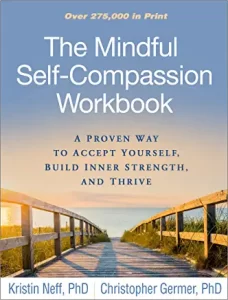 Self-compassion is a practice of extended self-kindness. When we are experiencing difficult events, it can be easy to fall into the trap of self-blame. We may berate ourselves for not being good enough, or for not doing something right. This can lead to feelings of shame and inadequacy.
Extending compassion to ourselves can help us to break out of this cycle of self-blame. By treating ourselves with kindness and understanding, we can release ourselves from the grip of negative emotions. This allows us to move forward in a more positive direction.
When we are faced with difficulties, it is important to remember that everyone experiences setbacks at times. There is no need to be hard on yourself – give yourself some grace and compassion instead. By doing so, you will be better equipped to deal with whatever challenges come your way.
Talk to Someone About It
If you’re struggling to stop blaming yourself for uncontrollable events, it’s important to talk to someone about it. Talking to a therapist or counselor can help you understand why you’re blaming yourself and how to stop. You may also find it helpful to talk to a friend or family member who can offer support and understanding. If you’re not ready to talk to someone about it, there are other ways to get help, such as reading self-help books or articles, or attending support groups.
Making a Change and Taking Control
When it comes to taking control of your life, it’s important to remember that you are the only one who can make a change. No one else can do it for you. And while it may be difficult to break out of old patterns and habits, it is possible.
So if you’re ready to take control, here are a few things you can do:
Identify the things that are holding you back. This could be anything from negative self-talk to toxic relationships. Once you identify what’s holding you back, you can start to take steps to change those things.
Start making small changes. If you’re not sure where to start, pick one area of your life that you want to change and focus on that. Maybe you want to start working out or eating healthier. Whatever it is, start with small steps and build from there.
Believe in yourself. This is perhaps the most important step of all. You have to believe that you can make a change in order for it to happen. So believe in yourself and know that you are capable of anything!