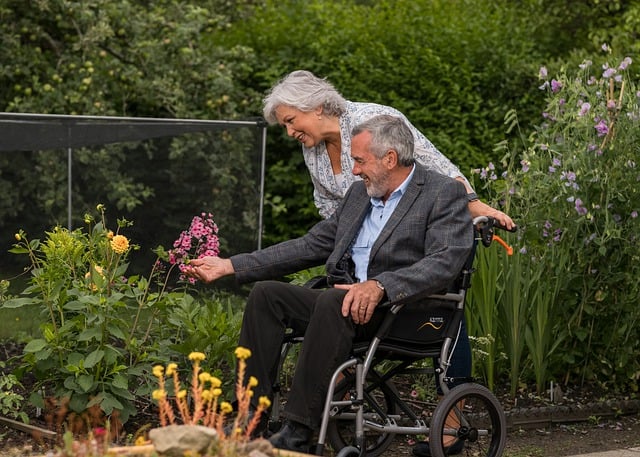
Deciding on home care for an elderly loved one is never easy, especially when emotions are high and practical needs come into play. Understanding what it feels like to be in their position can help guide these decisions with compassion.
Sometimes the choice involves staying at home with some assistance or moving into a care home, so it’s essential to balance independence with safety and well-being. In this post, we’ll take a look at how to approach these decisions while keeping your loved one’s feelings and dignity in mind.
Understanding the need for independence
For many seniors, staying independent is deeply important. Losing control over daily activities, such as cooking or driving, can feel frustrating or even embarrassing. They may fear being treated like they are no longer capable, which could lead to resistance when home care is suggested.
Offering support without taking over everything is a good middle ground. For instance, if your loved one has trouble cleaning the house, hiring a cleaner rather than insisting they move might be a better first step. This approach respects their independence while addressing practical needs.
Recognising the emotional side of aging
Aging tends to come with emotional challenges such as feeling isolated or mourning the loss of friends and family members. These feelings can make it harder for elderly loved ones to accept help or change their living arrangements. Moving to a care home, for example, may feel like a loss of freedom or connection to their current life.
Being patient and empathetic when talking to loved ones about home care can make these conversations easier. Listening to their concerns and involving them in the decision-making process shows that their opinions are valued.
Exploring care options together
When you start talking to your loved ones about home care, it’s important to explore all of the options together rather than deciding for them. Some seniors might thrive with a caregiver visiting a few times a week, while others may benefit from more structured support in a care home.
Checking out care home options together can help reduce fears or misconceptions. Seeing friendly staff, comfortable rooms, and engaging activities might make the idea less intimidating. Keeping your loved one part of the process helps them feel empowered rather than pushed into a decision.
Weighing safety and quality of life
Sometimes, safety becomes a bigger concern than independence, especially if a loved one is struggling with memory loss or physical limitations. For example, if they are forgetting to take medication or falling frequently, staying at home might no longer be the safest choice.
In such cases, a care home can provide the right balance of support and community. It ensures that medical needs are met while offering social opportunities, which can be hard to maintain at home.
Deciding on home care is about finding the right balance between independence, safety, and quality of life. By putting yourself in the shoes of your elderly loved one and talking to loved ones about home care with patience and respect, you can make this transition smoother. Whether staying at home or considering a care home, involving them in the process makes all the difference.