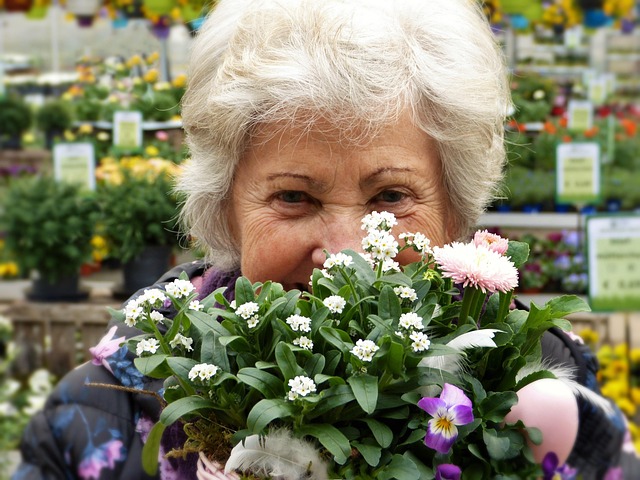
Embracing old age isn’t something people do easily. Aging is one of the few certainties in life, and yet for many, it remains a source of quiet dread.
As the years accumulate, so too do the questions: Have I done enough? Am I still relevant? What’s left for me now? While society often glorifies youth, old age is treated like a condition to be managed or feared.
Embracing Old Age
But what if aging isn’t just a period of decline—but a phase of becoming? The challenge is not merely to survive old age, but to make peace with it—to accept, embrace, and even find meaning within it.
So how do we do that?
Reframing the Narrative of Aging
Much of our discomfort with old age stems from the stories we tell ourselves. In Western culture especially, aging is equated with loss—of vitality, purpose, beauty, independence. But this is only one side of the story. Other cultures view old age as a position of wisdom and honour. The Japanese concept of “ikigai” (reason for being) often remains relevant well into later life, while many Indigenous cultures revere elders as keepers of memory and tradition.
To make peace with old age, we must reframe it—not as an end, but as an evolution. This means detaching our identity from external markers of productivity or appearance, and shifting our attention inward: toward what we know, how we’ve grown, and who we’ve become.
Letting Go of the Illusion of Permanence
One of the key psychological tensions in aging is the confrontation with mortality. It’s the background noise of later life—the faint, constant awareness that time is finite. But here lies a paradox: the more we resist the reality of our impermanence, the more suffering we create. Peace often begins the moment we stop struggling against what is.
Philosophical traditions such as Stoicism and Buddhism speak directly to this. Marcus Aurelius wrote, “You could leave life right now. Let that determine what you do and say and think.” In other words, the recognition of death isn’t morbid—it’s liberating. It sharpens our focus, redirects our energy, and compels us to live more honestly.
Accepting the Body’s Changes Without Shame
Our bodies carry the marks of a life lived—wrinkles, stiffness, slower reflexes, diminished strength. For many, this erosion of physical capability can feel like an attack on identity. The athlete who can no longer compete, the worker forced to retire, the person who once turned heads but now feels invisible—these are deep psychic wounds.
But the key to making peace isn’t in denial or nostalgia. It’s in developing a new relationship with the body—one marked by respect rather than resentment. Instead of focusing on what the body can no longer do, we can learn to honour it for all that it has done. This is not resignation, but reconciliation.
Redefining Purpose and Contribution
One of the most destabilising aspects of aging is the sense that we are no longer useful. In a culture that worships output, retirement can feel like exile. But peace with aging requires us to decouple our sense of worth from traditional forms of productivity. It asks us to seek new forms of contribution.
Purpose in later life may come through mentoring, volunteering, storytelling, caregiving, or simply being present for others. Viktor Frankl, the psychiatrist and Holocaust survivor, argued that humans can endure almost anything if they have a “why.” That truth holds regardless of age.
Sometimes the most valuable thing an older person offers is not their labour, but their presence—their example of patience, resilience, or perspective in the face of hardship.
Healing Regrets and Making Peace with the Past
As we grow older, the past can become both a source of comfort and a battleground. We may revisit key decisions, relationships, or missed opportunities with fresh eyes—and not always kindly. But peace with old age often depends on our ability to reconcile with our younger selves.
Self-forgiveness plays a vital role here. Recognising that we made decisions based on what we knew at the time allows us to loosen the grip of shame or regret. Making peace with others—where possible—can also offer profound relief, whether through direct communication or internal resolution.
There is dignity in acknowledging our flaws and still choosing to offer ourselves kindness. Aging isn’t about becoming perfect; it’s about becoming whole.
Nurturing Connection and Facing Loneliness
One of the quieter enemies of old age is loneliness. Social networks often shrink as friends pass away, families move, or physical limitations make connection more difficult. But humans remain social creatures to the end. We are wired for attachment and belonging.
Making peace with aging means actively tending to connection—whether that’s through intergenerational relationships, community groups, faith communities, or digital networks. Emotional intimacy matters more than ever. And reaching out isn’t a sign of weakness, but courage.
Even introverts benefit from meaningful human contact. It reminds us that we are still part of something larger than ourselves.
Finding Joy in Simplicity
As the drama of ambition fades, many older adults report an unexpected gift: contentment. A cup of tea in the morning sun. A conversation with a grandchild. A walk without hurry. There is a kind of freedom in no longer having to prove anything to anyone.
The Danish concept of “hygge,” the Japanese practice of “forest bathing,” or the meditative quality of tending a garden all speak to a kind of slow, deliberate living that often eludes younger years. In a culture obsessed with acceleration, old age can invite us to rediscover the richness of slowness.
Peace is not found in the extraordinary. It’s found in presence.
Cultivating a Legacy Mindset
When we can no longer hold the baton, we can pass it. Part of aging gracefully is understanding that we are part of a continuum. Whether through mentoring, writing, sharing stories, creating art, or simply shaping the lives of those we love, we leave traces behind.
Legacy is not about grand achievements. It’s about impact. A kind word, a taught skill, a shared moment—these things ripple outward, often far beyond what we can see.
By focusing on what we can give rather than what we’ve lost, we allow meaning to bloom, even in the twilight years.
To age well is to accept change, not fear it. To live fully, not despite our years, but because of them. And perhaps most of all, to realise that the final chapters of life are still worth writing—truthfully, courageously, and with heart.
Old age is not the end of the story. It’s the part where we finally understand what it was all about.