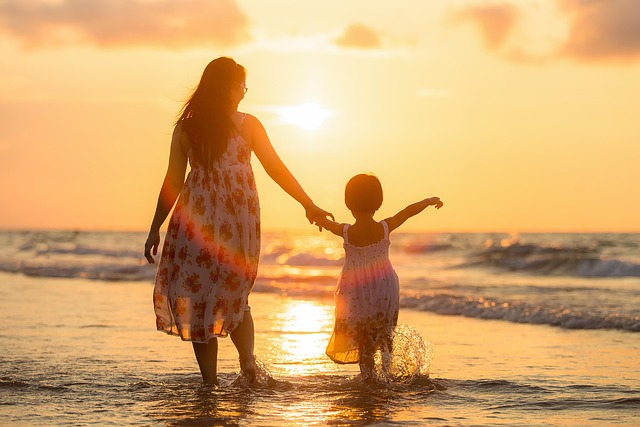
We often underestimate how much we’re watched—not just by children, but by colleagues, neighbours, and even our friends. The way we handle frustration, speak about others, and deal with challenges sends powerful signals about who we are and what we value.
A Positive Adult Role Model
Becoming a positive adult role model isn’t about perfection. It’s about consistency, self-awareness, and the willingness to live your values in everyday life.
Understand That Influence Is Constant
Being a role model isn’t a choice; it’s an inevitability. Whether you intend to or not, your behaviour sets a tone for those around you. The colleague who keeps calm under pressure, the parent who admits when they’re wrong, the friend who shows up when it’s inconvenient—all of these moments leave an imprint.
To become a positive influence, the first step is recognising that every interaction teaches something. The question isn’t whether you’re influencing others—it’s how. Ask yourself: What might someone learn by watching how I handle this situation? This simple reflection often prompts better choices and a greater sense of personal responsibility.
Model Emotional Intelligence
Emotional intelligence—how we understand and manage our own emotions, and respond to others’—is the foundation of good role modelling. People, especially children and young adults, learn not just from what you say, but from how you react.
If you lose your temper, criticise harshly, or shut down when things get uncomfortable, you’re teaching avoidance or volatility. But if you take a breath, communicate calmly, and acknowledge your emotions without letting them dictate your actions, you’re modelling emotional maturity.
Try this simple habit: when something frustrates you, name what you’re feeling out loud—“I’m annoyed right now, but I’ll deal with it calmly.” It shows others that feelings are valid, but not controlling. That’s a life lesson worth passing on.
Be Honest About Your Mistakes
We often think being a role model means appearing flawless. In reality, perfection is alienating. What inspires others is honesty—especially when it’s uncomfortable. Admitting you were wrong, apologising sincerely, or sharing what you’ve learned from a failure shows integrity and humility.
This is particularly powerful in workplaces and families. When adults admit mistakes, they make it safe for others to do the same. That openness fosters trust, accountability, and growth.
So, rather than saying “I didn’t do anything wrong,” try “I got that wrong, and here’s how I’m fixing it.” Those words don’t make you weak—they make you human.
Practice What You Preach
Nothing undermines respect faster than hypocrisy. If you tell others to be kind but gossip, to stay calm but explode when stressed, or to be grateful but constantly complain, your words lose all weight. People remember what you do long after they forget what you said.
Authenticity matters. Choose a few values that genuinely matter to you—honesty, patience, compassion, curiosity—and aim to live them daily. You’ll still fall short sometimes, but consistent effort builds credibility.
Set Boundaries and Standards
Being positive doesn’t mean being endlessly accommodating. A strong role model shows where the line is drawn and enforces it respectfully. Boundaries teach others about self-respect and mutual respect.
For example, if someone speaks to you disrespectfully, you can calmly say, “I’m happy to talk about this, but not if it turns into insults.” That one sentence teaches assertiveness, self-control, and dignity all at once.
People learn how to treat you from how you treat yourself. If you allow constant overstepping, you’re modelling self-neglect. If you stand firm with grace, you’re modelling strength.
Prioritise Growth Over Image
Positive role models are works in progress. They read, learn, and adapt. They show curiosity about new ideas and admit when their old views no longer serve them. This is vital in a world where young people are bombarded with performative success and shallow confidence online.
By showing that real confidence comes from self-awareness, not ego, you help others see growth as a lifelong journey rather than a one-time achievement.
Try sharing what you’re learning: “I used to think this way, but I’ve been reading more about it, and it’s changed my perspective.” That single sentence teaches flexibility and humility—qualities sorely needed in adult life.
Balance Positivity With Realism
Being a positive role model doesn’t mean being relentlessly cheerful or pretending everything’s fine. It means demonstrating hope and resilience within reality. You can acknowledge difficulty while showing that setbacks are temporary and manageable.
Saying “This is hard, but we’ll find a way through it” carries more weight than hollow optimism. It models grounded positivity—the kind that helps others feel safe, seen, and capable.
Be Present and Consistent
One of the strongest signals of good role modelling is reliability. Whether it’s showing up on time, following through on promises, or simply listening without distraction, your consistency builds trust.
Presence is a rare gift in a distracted world. When you give someone your full attention—no phone, no multitasking—you communicate that they matter. That simple act can influence more deeply than any lecture.
Leave a Legacy of Kindness
Kindness isn’t weakness—it’s quiet strength. A positive role model demonstrates empathy even when it’s inconvenient. They treat people with respect regardless of status, and they act with compassion when no one’s watching.
These everyday gestures—thanking the cleaner, holding the door for someone in a rush, checking in on a friend—send ripples far beyond what you see. People remember how you made them feel long after they forget your words.
Becoming a positive adult role model isn’t about a single grand gesture. It’s about the small, repeated choices that define your character. It’s how you show up, handle setbacks, and treat people when no one’s keeping score.
You don’t need to be perfect—you just need to be authentic, responsible, and kind. Because the truth is, someone, somewhere, is learning from the way you live.
And that makes every moment a chance to teach something worth remembering.