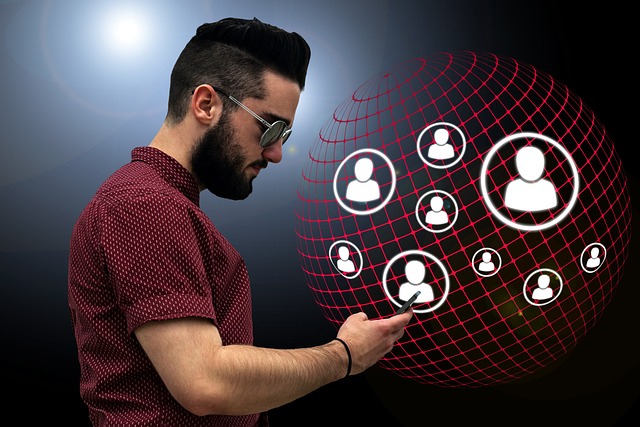
Undoubtedly, the growing trend of social media has changed the way we communicate with others, spend time at work, and seek amusement. For most people, social media offers an opportunity to be connected, learn about new information, and get one’s voice out into the open.
However, for individuals who are in the course of addiction recovery, the dynamics could get a little bit more complicated. Of particular concern is the way that social media may affect mental health in the process of recovery. Many struggle with feelings of isolation from others in trying to overcome this addiction and therefore cope with resultant stress, hence the need for an understanding of the relationship of social media to mental health.
Social Media and Its Influence on Mental Health
Social media can be both a connecting tool and a source of stress. On one hand, it keeps people in recovery in contact with their family and friends through Facebook, Instagram, and Twitter, and support groups and resources that might be beneficial to one’s journey. This could be a place where many addiction treatment centers and other mental health professionals share tips, stories, and messages of motivation that may make individuals feel less lonely in their struggles. Recovery-oriented groups also allow users to connect with others who have gone through similar experiences and thus offer a space for encouragement and shared understanding.
On the other hand, the nature of social media can also heighten feelings of anxiety, depression, and insecurity. Many individuals in recovery are vulnerable to comparison, especially when they see curated images of other people’s lives, achievements, and happiness. For someone dealing with the emotional fallout of addiction, seeing seemingly perfect lives can trigger feelings of inadequacy or hopelessness. These negative feelings can be even more difficult to deal with for a person undergoing cocaine addiction treatment or any other substance abuse rehabilitation since the focus at this stage is on healing and self-acceptance.
The Consequences of Being Always Connected
In a world where most individuals are always connected via social media, the demand to be constantly accessible can lead to emotional exhaustion. This is most true for recovering individuals who are already battling rough waters of emotions. Constant notifications, messages, and posts build a sense of urgency and overwhelming feeling that intrudes on the process of self-care. As such, for people in the early stages of recovery, this may even make it harder to stay focused on the treatment goals. Recovery usually requires those introspective moments, a period of absence from all distractions, and the ability to concentrate on one’s mental health without pressure from the outside world. Social media can break that much-needed balance, further escalating stress and anxiety.
The addiction to notification checks and keeping up with content on social media often develops into poor coping mechanisms. Instead of reaching for healthier ways to handle their emotions, recovering individuals can start using social media as an escape from feelings or an avoidance of truth that may make them uncomfortable. In the long run, it will just continue a vicious circle of emotional numbing or avoidance that is unproductive and against healing. But this also means finding a balance, as excessive use of social media may impede the recovery process of an individual addict.
Social Media as Support
On the other hand, it can also serve as a helpful aid for recovering addicts. Support groups and recovery networks through online communities provide a sense of connectedness to empathetic others and reduce the sensation of loneliness. Most people will read about others’ experiences and find themselves in comfort. These forums give the sense of community that is very hard to get physically, especially for those people who cannot join local support groups. Anonymity on social media can even lead to people speaking more about their struggles without feeling judged or stigmatized-a very important issue for those who are in cocaine addiction treatment or some other specialized program.
Besides that, social media sites provide venues for people in recovery to share personal stories and successes. By sharing their stories, individuals may indeed act as inspiration for others, but more so, they confirm for themselves their decision to stay sober. Conjoint reinforcement by individuals of the same community often provides motivation and a feeling of accomplishment. The normalizing of addiction recovery and taking down the stigmatization associated with substance abuse through personal recovery stories can be an empowerment for many people in recovery.
Managing the Use of Social Media during Recovery
While social media does have its many benefits, in recovery, one must still be fully aware of how they use the social media platform to avoid adverse effects on emotional feelings. Setting limits regarding the use of social media will help during recovery. It could be the control of time spent on these sites, disabling notifications, or simply unfollowing those individuals that make one feel terrible. Taking breaks from social media can help provide this opportunity for personal well-being, face-to-face interactions, and creating time for personal activities of recovery.
Another effective way is to generate a social media environment that must complement one’s mental health and recovery. Following accounts with positive stories, stories of recovery, and advice on mental health tips will develop a supportive and uplifting digital space. Engagement with content that supports the recovery goals, such as sobriety, emotional well-being, and self-care, can be used to enhance one’s commitment to these goals. As much as one would select a real-life support system, so should one select a digital environment that nurtures and sustains the recovery process.
Conclusion:
Social media and mental health in addiction recovery is a complex and multifaceted relationship. While it can offer support and connection, it also has the potential to contribute to negative emotions and disrupt the recovery process. By being mindful of their social media habits, individuals in recovery can harness the positive aspects of these platforms while minimizing their risks. This would say that with cautious guidance, a balanced approach, and supportive networks, social media may be utilized as a tool rather than an obstacle in recovery.