In this post, we’re looking at 10 alternative therapies for mental health. Do you suffer from anxiety, depression or any other mental health condition and are tired of the traditional treatments?
Well, we’re going to explore alternative therapies thought to help improve emotional well-being and overall quality of life. From acupuncture to hypnotherapy, let’s discover new ways to take care of our minds!
10 Alternative Therapies for Mental Health
Mindfulness
Mindfulness meditation is a form of mindfulness that is widely practiced in the western world. There are many different applications for mindfulness meditation, but it is often used as a way to cope with stress, anxiety, and depression.
There are a number of studies that have shown the efficacy of mindfulness meditation in treating mental health conditions. A review of 18 randomized controlled trials found that mindfulness meditation was an effective treatment for anxiety, depression, and stress. A separate systematic review of 33 studies also found that mindfulness meditation can help reduce symptoms of anxiety and depression.
So how does mindfulness meditation work? Mindfulness meditation involves paying attention to your thoughts, feelings, and sensations in the present moment without judgment. This can help you become more aware of your thoughts and emotions, which can lead to better self-regulation.
Practicing mindfulness can also help you learn to respond differently to stressful situations. Instead of getting caught up in negative emotions, you can learn to observe them without judgment and let them go.
Acupuncture
Acupuncture has been used as a form of alternative therapy for mental health for centuries. The practice is based on the belief that there are energy channels in the body that can be accessed and stimulated through the use of needles. Acupuncture is said to be beneficial for mental health because it can help to balance the body’s energy, release endorphins, and reduce stress.
A number of studies have been conducted on the efficacy of acupuncture for mental health conditions such as anxiety, depression, and post-traumatic stress disorder (PTSD). Overall, the research suggests that acupuncture can be an effective treatment for these conditions when used in conjunction with other forms of therapy, such as medication or counseling.
If you are considering trying acupuncture for your mental health, it’s important to consult with a licensed practitioner who has experience treating mental health conditions.
Herbal Medicine
Herbal medicine has been used to treat mental health conditions for centuries. Today, there is a growing body of scientific evidence to support the use of herbal medicine for mental health conditions such as anxiety, depression, and insomnia.
A number of different herbs have been shown to be effective in treating mental health conditions. Some of the most commonly used herbs for mental health include:
St. John’s wort: St. John’s wort is a popular herb for treating depression. It is thought to work by increasing levels of serotonin in the brain.
Ginseng: Ginseng is a herbal remedy that has traditionally been used to improve energy and vitality. It is also said to help with concentration and memory. recent studies have shown that ginseng may also be effective in treating symptoms of anxiety and depression.
Lavender: Lavender is a herb that is best known for its calming and relaxing properties. It has been shown to be effective in treating anxiety, insomnia, and headaches.
Hypnotherapy
Hypnotherapy is an alternative therapy that has been shown to be effective in treating a variety of mental health conditions. In a hypnotherapy session, the therapist will induce a state of relaxation and focus in the client, which can allow the client to explore and address deep-seated issues and emotions. Many people who undergo hypnotherapy report feeling calmer and more relaxed after the session, and some find that their mental health symptoms improve.
Aromatherapy
Aromatherapy is a form of alternative medicine that uses essential oils to promote health and well-being. Aromatherapy has been used for centuries to treat various physical and mental conditions.
Aromatherapy is thought to work by stimulating the olfactory system, which is part of the brain that controls the sense of smell. When essential oils are inhaled, they are believed to interact with the limbic system, which is part of the brain that controls emotions and memory. This interaction can then lead to positive changes in mood and mental state.
There is some evidence to support the use of aromatherapy for mental health conditions such as anxiety and depression. One study found that aromatherapy was effective in reducing anxiety levels in patients undergoing surgery. Another study found that lavender oil was effective in treating symptoms of depression.
Aromatherapy can be used in a variety of ways, including diffusing essential oils into the air, applying them topically, or inhaling them directly from a bottle or tissue. Some people also add essential oils to their bathwater or use them in massage therapy.
If you are considering using aromatherapy for your mental health, it is important to consult with a qualified aromatherapist who can help you choose the right essential oils and provide guidance on how to use them safely.
Light Therapy
Light therapy is a type of treatment that involves exposing the eyes to bright light for a short period of time. This exposure to light can help to improve mood and alleviate symptoms of certain mental health conditions, such as seasonal affective disorder (SAD) and major depressive disorder (MDD).
There are a few different ways that light therapy can be administered, such as using a special light box or lamp or spending time outside in natural sunlight. Light therapy is generally considered to be safe and effective, with few side effects.
If you are considering light therapy as a treatment option for a mental health condition, it is important to speak with your doctor or mental health professional first to determine if it is right for you.
Pet Therapy
Pet therapy has been shown to be beneficial for a variety of mental health conditions, including anxiety, depression, stress, and PTSD. The act of caring for an animal can help people to feel more relaxed and connected, which can in turn reduce symptoms of mental illness. In addition, spending time with animals has been shown to increase levels of serotonin and dopamine in the brain, which can help to improve mood and decrease anxiety.
If you are considering pet therapy as a treatment for your mental health disorder, it is important to find a qualified therapist who has experience working with animals. You will also need to make sure that you are comfortable with the animal that you will be spending time with. Some people prefer dogs, while others may prefer cats or rabbits. There is no wrong answer – it is simply important that you choose an animal that you feel comfortable around.
Art Therapy
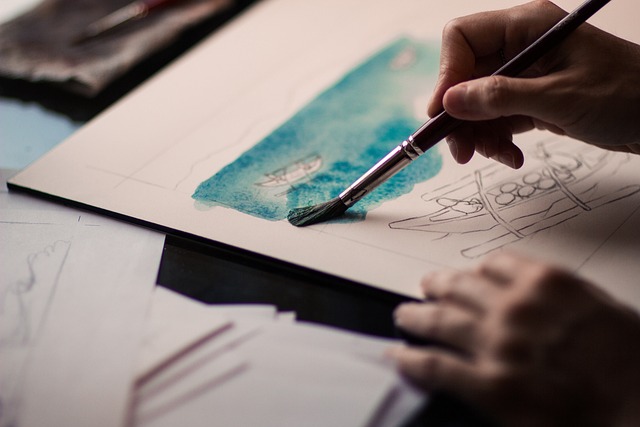
Art therapy is a form of psychotherapy that uses art as a means of communication. It can be used to treat a wide range of mental health conditions, such as depression, anxiety, and post-traumatic stress disorder. Art therapy can also be used to improve well-being and promote personal growth.
Art therapy is based on the belief that the creative process can be therapeutic and can help people to express themselves in a way that words alone cannot. The therapist and client work together to create art, which can be used to explore emotions, increase self-awareness, and boost self-esteem. Art therapy can be an effective treatment for mental health conditions when it is used alongside other therapies, such as cognitive behavioral therapy.
Yoga
Yoga has been shown to be an effective treatment for mental health conditions like anxiety and depression. It can help to reduce stress, improve sleep, and increase resilience. There are many different styles of yoga, so it’s important to find one that you enjoy and that works for you. If you’re new to yoga, it’s best to start with a beginner’s class.
Homeopathy
Homeopathy is a system of medicine that is based on the principle of treating like with like. That is, a substance that causes certain symptoms in a healthy person can be used to treat those same symptoms in someone who is sick. Homeopathic remedies are prepared by diluting a substance and then ensuring that it retains its original properties.
Homeopathy has been used to treat mental health conditions for over 200 years. In the early 1800s, Samuel Hahnemann, the founder of homeopathy, observed that patients with mental illness responded well to treatment with small doses of substances that would cause similar symptoms in healthy people.
Today, homeopathy is used to treat conditions such as anxiety, depression, stress, and insomnia. Homeopathic remedies are available in most health food stores and pharmacies.