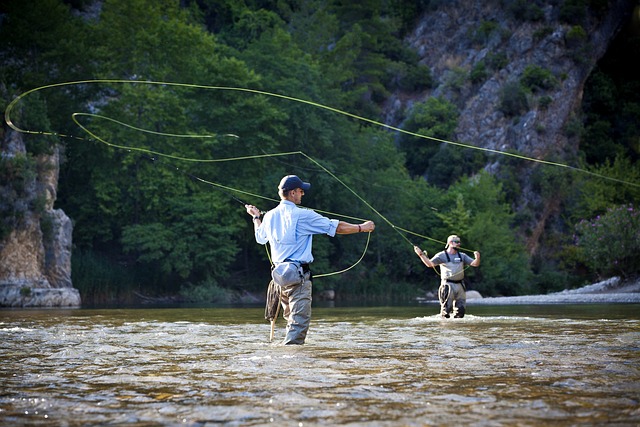
If you’re looking for a new way to connect with nature, disconnect from the hustle and bustle of everyday life, and reel in some seriously impressive catches, then fly fishing might just be the hobby for you!
Whether you’ve never held a rod before or have dabbled in other forms of angling, this beginner’s guide will provide all the essential tips and tricks to help you become a pro at fly fishing.
This post contains affiliate links, meaning I get a small commission if you decide to make a purchase via those links.
Guide to Fly Fishing
Assuming you have never fly-fished before, we will give you a brief introduction to the sport. Fly fishing is a method of angling that utilizes a long rod, reel, line, and lure to catch fish. The popularity of fly fishing has grown in recent years, as it is seen as a more peaceful and environmentally friendly way to fish when compared to other methods.
While the basics of fly fishing are simple, there is a lot of technique involved in becoming a successful fly fisherman. In this guide, we will cover the basics of fly fishing gear, techniques, and etiquette so that you can hit the water with confidence.
Gear Needed for Fly Fishing
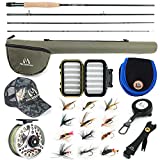
There is a wide range of gear needed for fly fishing, from essential items like a rod and reel to more specialized tools like waders and flies. Here is a breakdown of the different types of gear needed for fly fishing, both essential and optional:
Rods and Reels: A fly fishing rod and reel are the most essential pieces of gear needed for fly fishing. Rods come in different sizes and materials, depending on the type of fish you’re trying to catch. Reels are typically made of aluminum or other sturdy materials and help store your line so you can cast again after each fish bite.
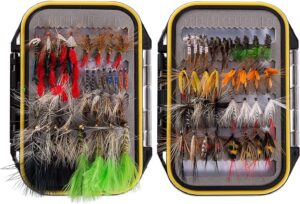
Flies: Flies are special lures that are used in fly fishing, and are designed to mimic insects that fish would normally eat.
You’ll need to choose the right kind of fly based on the type of fish you’re trying to catch, as well as the time of year and location.
Basic Techniques
 In order to learn the basic techniques of fly fishing, there are a few key things that you will need to keep in mind. First and foremost, it is important to have patience when learning this new skill. Rome wasn’t built in a day, and neither will your fly fishing techniques. However, by following these tips and practicing regularly, you’ll be well on your way to becoming a pro in no time.
1. Start by learning the basics of casting. This includes proper grip, stance, and winding the line around the reel. There are plenty of instructional videos and articles online that can help you with this process.
2. Once you’ve mastered the basics of casting, it’s time to move on to more advanced techniques like using different lures and flies. Again, there is a wealth of information available online to help you with this aspect of fly fishing.
3. Don’t forget about the importance of practice! The more you get out there and cast your line, the better your skills will become. Fly fishing is a lifelong sport that can be enjoyed by people of all ages, so don’t get discouraged if it takes some time to master the basics. With a little bit of patience and practice, you’ll be an expert in no time!
Advanced Techniques
If you’re looking to take your fly fishing skills to the next level, there are a few advanced techniques you can learn. For example, if you want to fish in moving water, you’ll need to learn how to cast upstream. This will help keep your line from getting tangled and give you a better chance of landing a fish.
You can also learn how to tie different types of flies, which can be very effective in certain situations. There are many different patterns and colors of flies to choose from, so it’s important to do some research and figure out what will work best in the area you’re fishing. You can also ask for advice from experienced fly fishermen when you’re out on the water.
Finally, if you really want to improve your skills, consider taking a fly fishing class or hiring a guide. A professional can teach you a lot about proper technique, gear selection, and where to find the best fishing spots. With their help, you’ll be able to take your fly fishing game to the next level in no time!
Fishing with Flies
One common question among novice fly anglers is what are the different ways to fish with flies? The truth is, there are many different ways to fish with flies, and the best way to learn is to try them all out and see what works best for you. Here are a few of the most popular methods:
Nymphing: This is probably the most popular way to fish with flies, and involves using a weighted fly (nymph) to get down deep into the water column where trout often feed. You can fish nymphs both under an indicator or “tight line” style without one.
Dry Fly Fishing: This is what most people think of when they imagine fly fishing – using a dry fly that floats on the surface of the water to fool trout into eating it. This can be a very challenging and rewarding way to fish, as Trout often require delicate presentations and top-notch casts.
Streamers: Streamers are large, meaty flies that imitate baitfish or other aquatic creatures. They’re often fished using heavier tackle and retrieved in an aggressive manner to trigger strikes from big fish.
Knots and Rigs
In order to start fly fishing, you will need to know the basics of knots and rigs. There are many different types of knots used in fly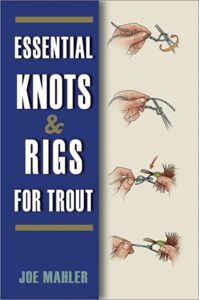 fishing, but the most common ones are the Clinch Knot, Improved Clinch Knot, and Surgeon’s Knot. The Clinch Knot is used to tie the fly line to the leader, while the Improved Clinch Knot is used to tie the fly line to the backing. The Surgeon’s Knot is used to tie two pieces of monofilament together.
In addition to knowing how to tie knots, you will also need to know how to rig your flies. There are many different ways to rig a fly, but the most common method is called the indicator rig. To rig a fly using this method, you will need an indicator (a piece of foam or other floating object that can be tied to your line), a weight (usually a lead shot), and a tippet (a short length of monofilament). First, tie your indicator to your line using a Loop Knot. Next, tie your weight to the end of your tippet using a clinch knot or surgeon’s knot. Finally, attach your tippet and fly line together using an improved clinch knot or surgeon’s knot.
By learning the basics of knots and rigs, you will be well on your way to becoming a successful fly fisherman!
Fly Patterns
There is no one-size-fits-all answer when it comes to selecting the right fly patterns for fly fishing. The best way to select the right fly pattern is to understand the basic types of flies and then experiment with different patterns until you find what works best for you.
The most common type of fly used in fly fishing is the dry fly, which rides on top of the water. Dry flies are used to imitate a variety of natural insects, such as mayflies, caddisflies, and beetles. Nymphs are another type of fly that sink below the surface of the water and are used to imitate aquatic insects in their larval stage. Streamers are large flies that mimic baitfish or other small creatures and are often used to target larger fish species.
Where and What Fish to Target
When starting out it may be simpler to visit a stocked pond. These are places specifically set up for anglers. Some are small and some are quite large. It can look a little strange seeing a group of men huddled over their rods waiting for a fish to bite and many anglers don’t see any fun or sportsmanship in it. After all, fishing in a well-stocked pond of hungry trout isn’t exactly challenging. However, a new angler has to get used to their equipment and try out different techniques. It’s fiddly. Even reeling in a wriggling fish and getting hold of it takes a little getting used to. You may be quite a distance from water, so before you invest in expensive waders and equipment you may want to give it a try.
There are many different bodies of water that are ideal for fly fishing, from small streams to large lakes and rivers. The type of fish you want to target will also dictate where you want to fish. For example, if you’re targeting trout, you’ll want to find a body of water with a healthy population of trout.
When it comes to what kind of flies to use, again, it depends on the type of fish you’re after. Different flies imitate different types of insects or baitfish, so do your research before heading out on your fishing trip. There are numerous online resources and fly fishing forums that can help you figure out what kind of flies to use.
The most important thing is to have fun and enjoy yourself while fly fishing! This sport is meant to be relaxing and enjoyable, so don’t get too stressed out if you don’t catch anything on your first try. With a little practice and patience, you’ll be landing fish in no time!
How to Read a River
When you’re first starting out, it can be difficult to know where to look for fish in a river. However, there are a few tell-tale signs that can help you spot them. Here are some tips on how to read a river and spot fish:
 Look for areas of the river where there is less flow. Fish tend to congregate in these areas because they can more easily find food. Look for eddies behind rocks or logs or pockets of still water near the bank.
Another good place to look for fish is in areas of the river where there is more oxygenated water. These areas are usually found near riffles or rapids. The increased oxygen levels help the fish to breathe and also attract insects, which are a major food source for fish.
Finally, pay attention to the temperature of the water. Trout, for example, prefer colder water temperatures and will often be found in shaded areas or deeper pools. Warmer water species such as bass will be found in sunny areas or near the surface of the water.
Safety
When you’re just starting out, fly fishing can seem like a complex and dangerous sport. But with a few basic safety tips, you can quickly become a pro at fly fishing and enjoy this great outdoor activity without any worries. Here are some safety tips to keep in mind when fly fishing:
1. Choose the right gear. It’s important to have the proper equipment when fly fishing. Make sure you have a good quality rod and reel that are designed for fly fishing. Also, be sure to wear proper clothing and footwear to protect yourself from the elements.
2. Learn the basics. Before you head out on your first fly-fishing adventure, take some time to learn the basics of the sport. Read up on the different techniques and practice them in your backyard or a local pond. This will help you feel more comfortable and confident when you’re actually out on the water.
3. Start slow. When you’re first starting out, it’s best to stick to calm waters where you can easily see what’s going on around you. Once you get more experience, you can venture out into faster-moving waters. But always be aware of your surroundings and never go beyond your comfort level.
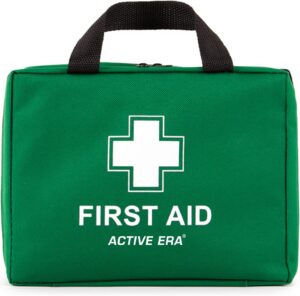
4. Be prepared for emergencies. Although rare, accidents can happen when fly fishing. So it’s important to be prepared for anything that might come up. Always carry a first-aid kit with you, and know how to properly use it in case of an injury
Conclusion
Fly fishing can be an enjoyable and rewarding hobby for those who are willing to learn the ropes. From mastering the tools, techniques, and casts to researching where fish live, there is a lot to consider when beginning fly fishing. With patience and practice, however, even novice anglers can become pro in no time! If you’re interested in taking up fly fishing as a new hobby or sport, we hope this guide helps get you started on your journey towards becoming an expert. Good luck out there with your new adventure!
Start Your Own Container Garden